
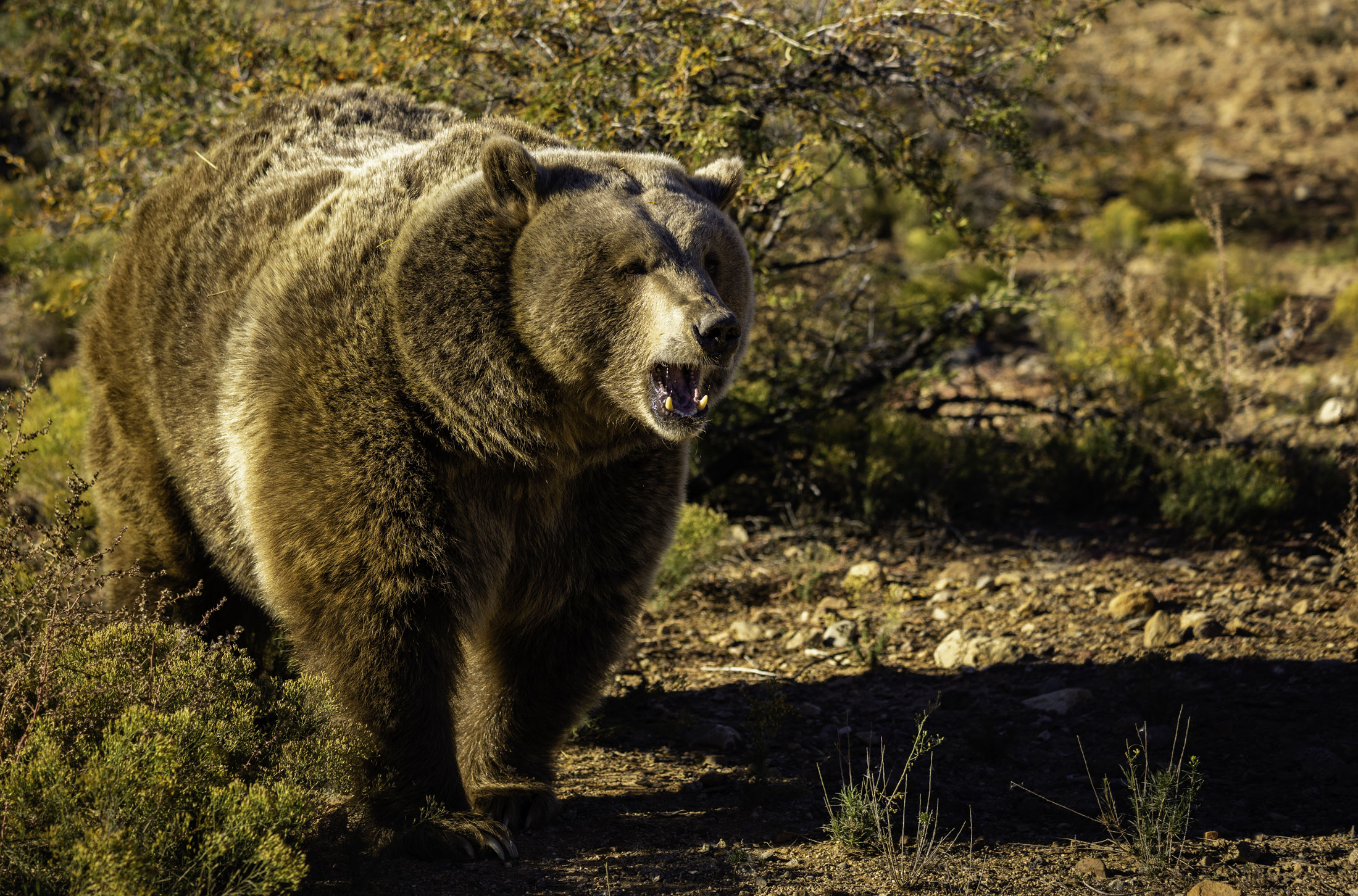



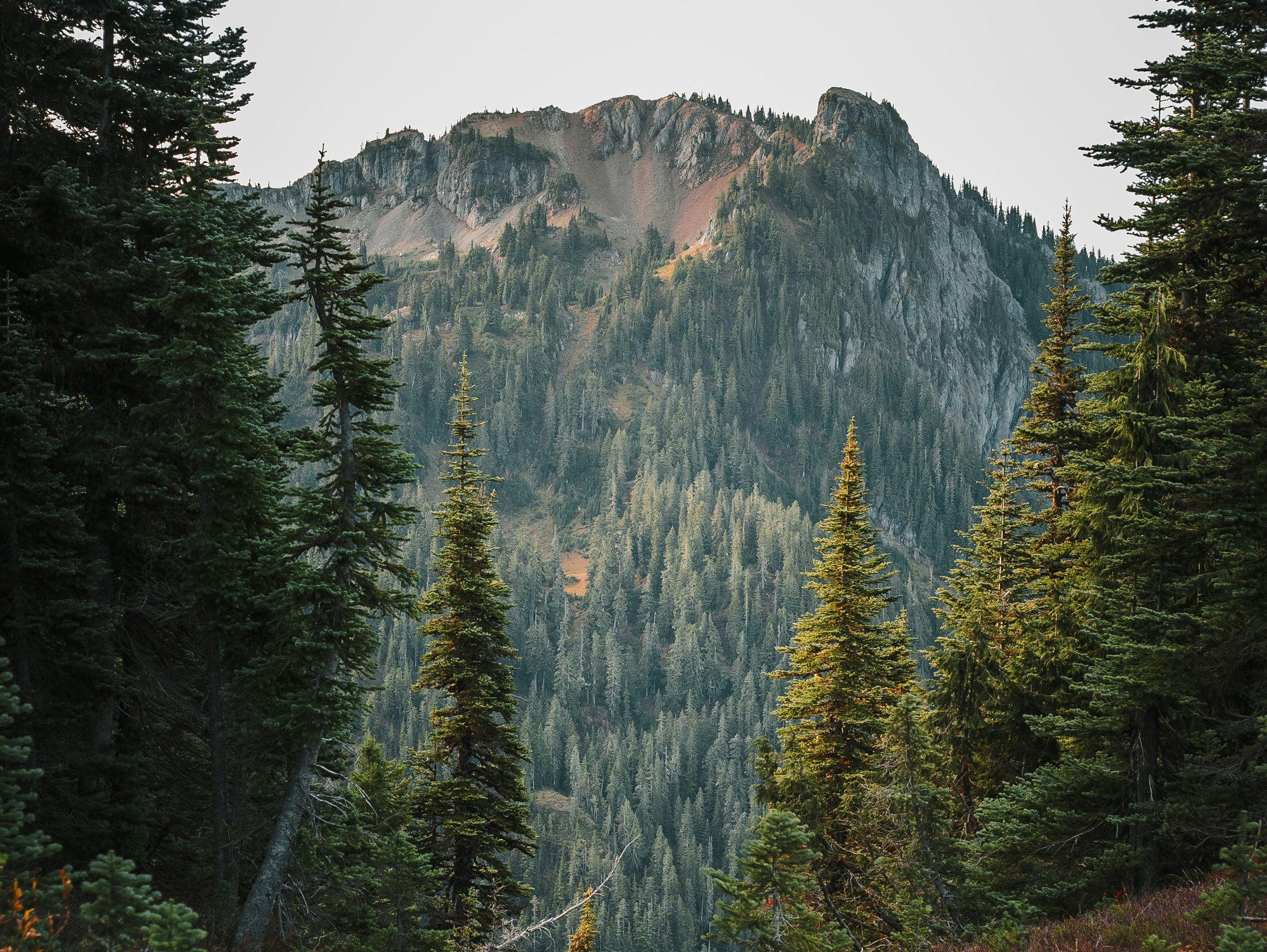
The Siberian brown bear (Ursus arctos) is a massive omnivore ranging across the forests and mountains of eastern Russia. Bears from Kamchatka and the Russian Far East can rival Alaska’s coastal grizzlies in size, with mature males exceeding 600 kg. Hunters pursue them for their skull measurements and thick, dark coats, while appreciating the remote volcanic landscapes and salmon‑rich rivers they inhabit.
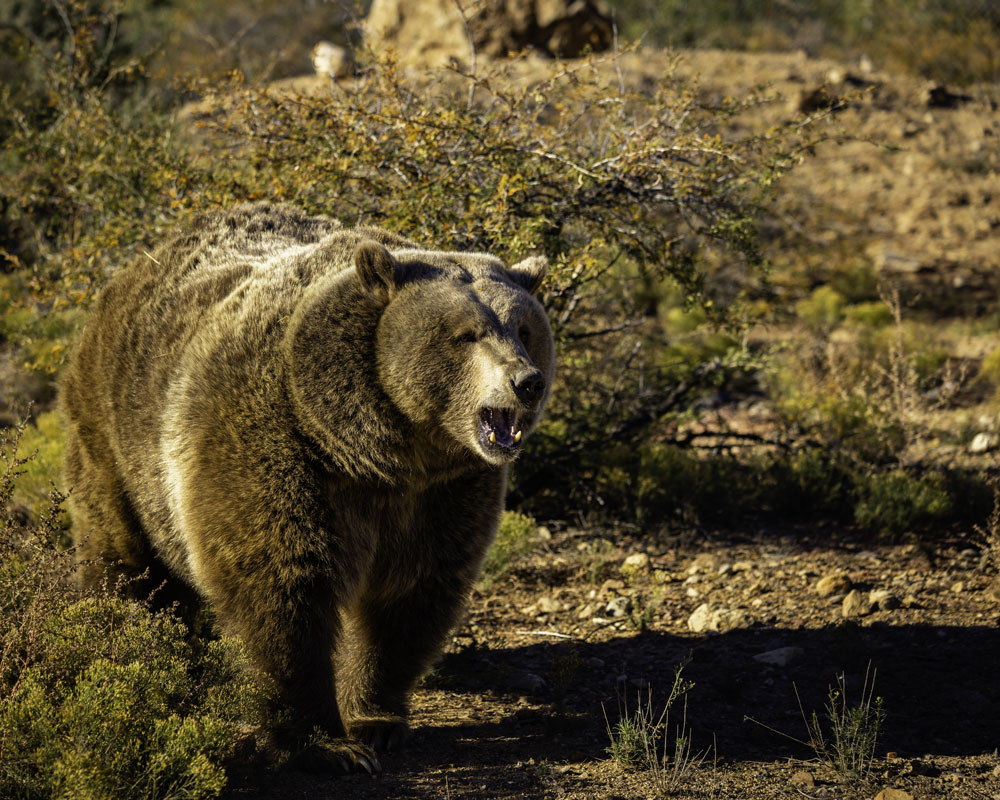
Brown bear hunts in Siberia occur in two main seasons. The spring season runs from mid‑April to mid‑May, when bears leave their dens and forage for new vegetation; hunters often track them with snowmobiles before making a stalk. The fall season from late August to late September focuses on salmon rivers, where bears congregate to fatten before hibernation. On the Kamchatka Peninsula most hunts are spot‑and‑stalk: guides glass for bears along river valleys or berry patches, then approach on foot; firearms of .300 magnum or larger are recommended. In Siberia’s interior, baiting from high stands is used; observation towers are erected near bait sites (~50 m), and hunts take place at dusk or night using night‑vision equipment. Official hunting seasons in Siberia are April 12–June 1 and August 1–November 30, reflecting the spring and autumn peaks, and wounded bears are never pursued after dark for safety.
Brown bear populations in Kamchatka are healthy and increasing; researchers suggest the population boom since trophy hunting opened in the 1990s may be linked to reduced infanticide and the economic value of live bears to local communities. The species is listed as a rare animal under CITES, so hunting quotas and export permits are required. Regional wildlife authorities set annual quotas, and hunts are usually allocated through licensed outfitters. Revenue from trophy fees supports rural economies and provides incentives for anti‑poaching patrols. Sustaining bear numbers depends on strict adherence to quota systems and continued funding for habitat protection.
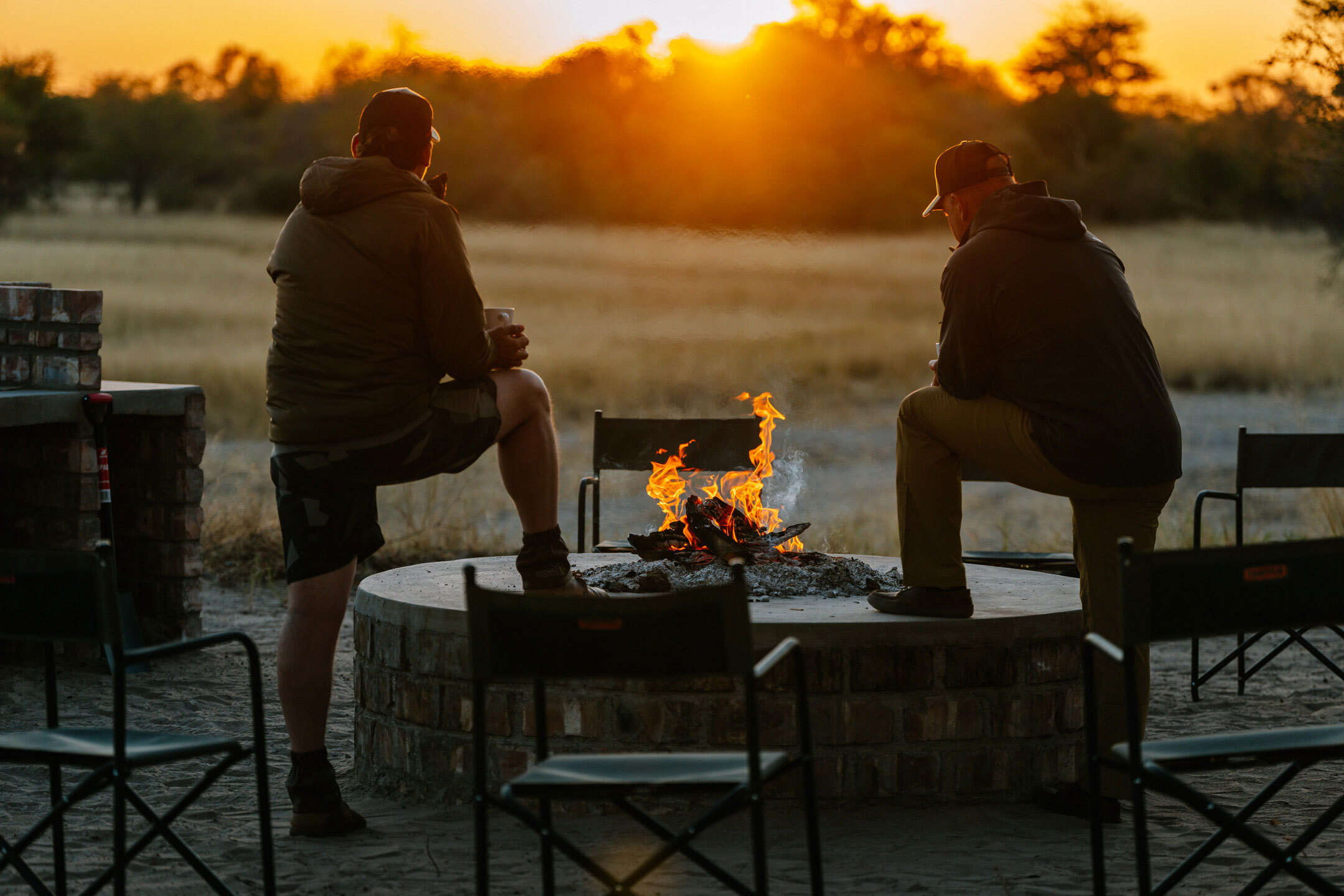
Spring bait hunts can produce encounters with 20 – 30 bears per day in Kamchatka, offering an exciting challenge but requiring precise judging of size. Many outfitters provide rustic camps with hot saunas fed by volcanic springs. Hunters should be aware of Russia’s ban on winter den hunts, which were prohibited to prevent orphaned cubs. Combining a bear hunt with Kamchatka snow sheep or moose can maximise a long trip to this remote peninsula.
Siberian Brown Bear can be found in the following location:
Siberian Brown Bear has the following variations:
- (Varieties to be confirmed)
Start Your Adventure