
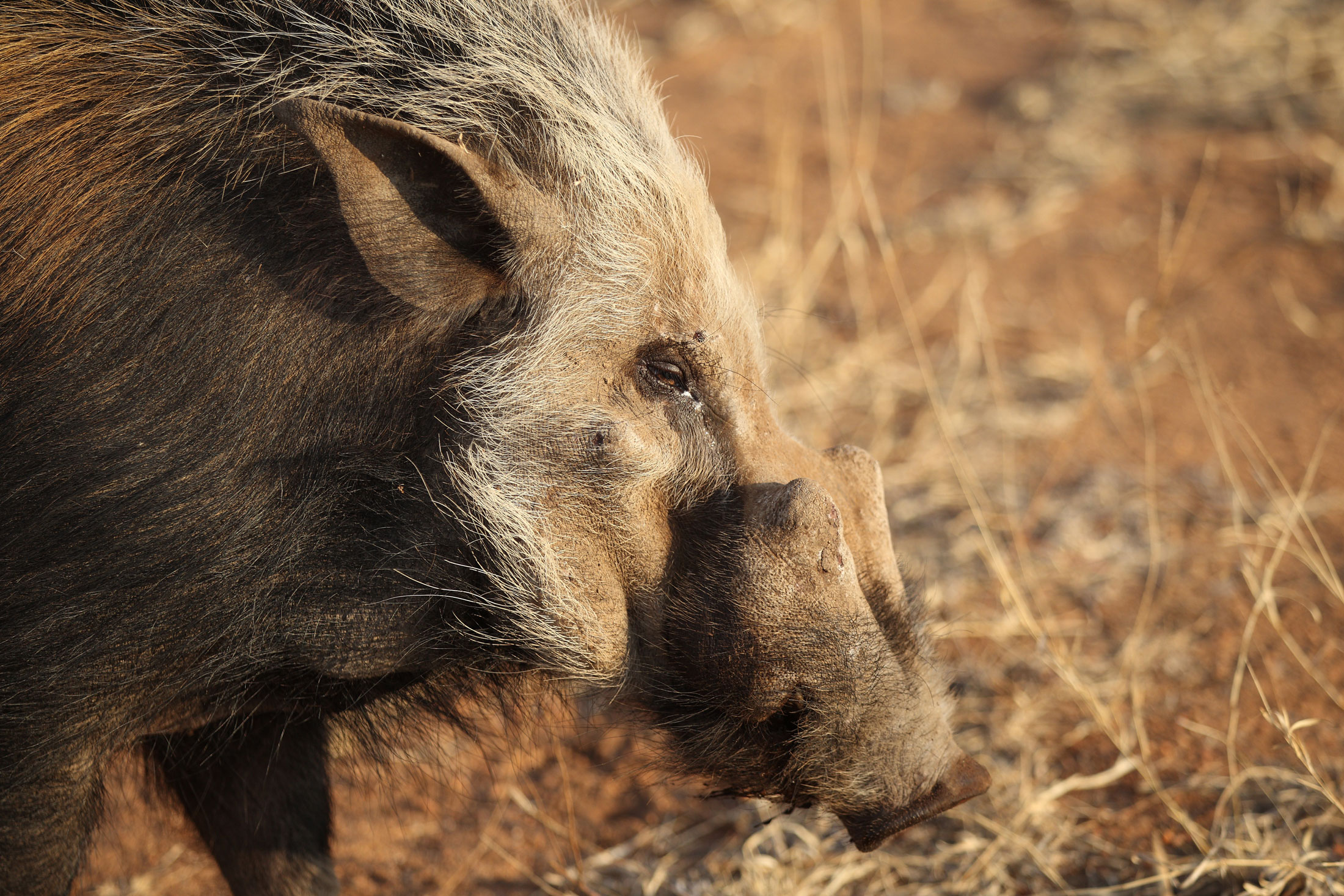



The bushpig (Potamochoerus larvatus) is a robust, nocturnal member of the pig family found throughout sub‑Saharan Africa, including South Africa, Mozambique, Tanzania, Zimbabwe, Zambia, the Central African Republic and Cameroon. These pigs are stocky with shaggy coats, facial warts and upward‑curving tusks; adults stand around 32 inches at the shoulder and weigh 54–115 kilogram. Their cunning behaviour and ability to disappear into dense cover make them one of Africa’s more challenging trophy species.
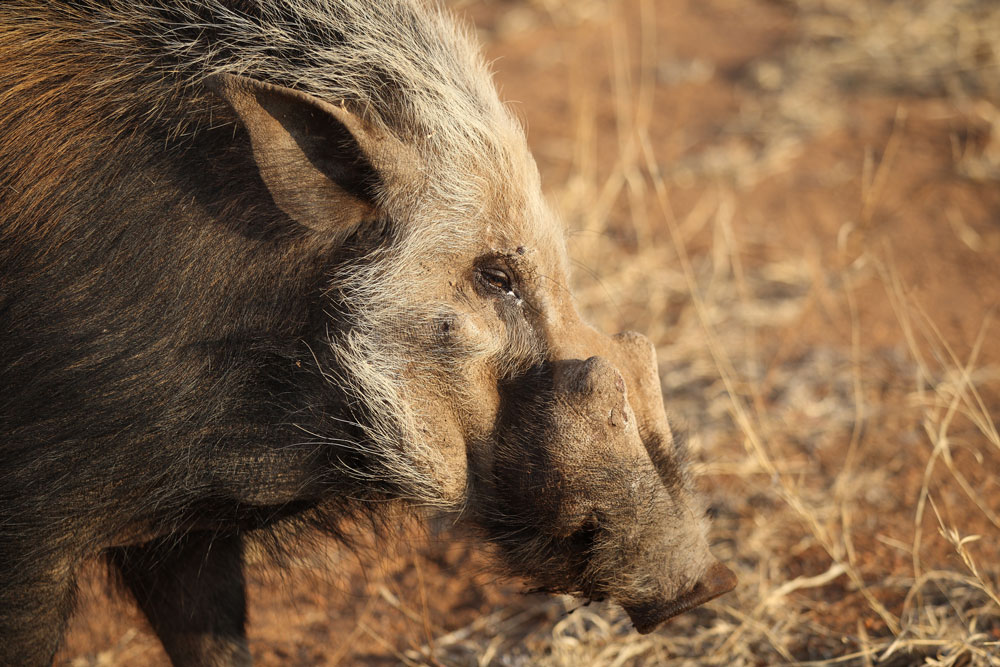
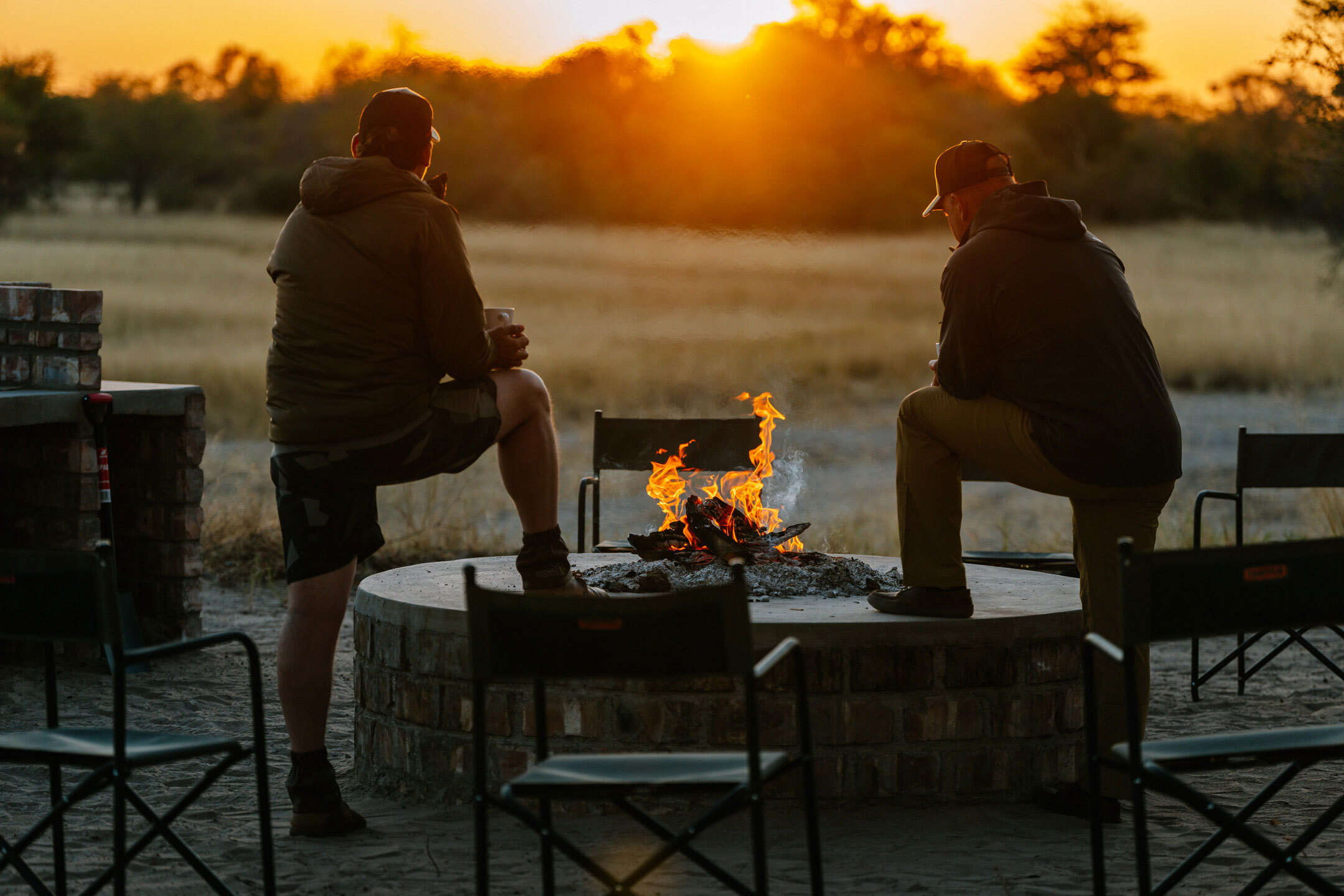
Bushpig hunting is primarily a night‑time pursuit because the animals are most active after dark. Outfitters typically use baited blinds near thickets or fermented corn piles and wait for pigs to come out under cover of darkness. Another technique is hunting with hounds; dogs are released to bay the pig in its bedding cover, enabling the hunter to close in and take a close‑range shot. There are no seasonal restrictions on bushpig hunting in South Africa, though the dry winter months are preferred when natural food is scarce. In other countries, hunts may be tied to general safari seasons and often require night permits.
Bushpigs are widespread and not considered threatened, but they can cause significant crop damage and are often controlled through regulated hunting. In Tanzania, for example, all hunting must be conducted under government‑issued quotas and a professional guide; the safari season runs from July 1 to December 31. Trophy fees and licence revenues from bushpig hunts help fund anti‑poaching and rural development projects while mitigating human–wildlife conflict. In South Africa and Zimbabwe, hunting is available year‑round, and outfitters provide night permits and specialised equipment to ensure ethical off‑take. This combination of pest control and tourism revenue supports both farmers and wildlife managers.
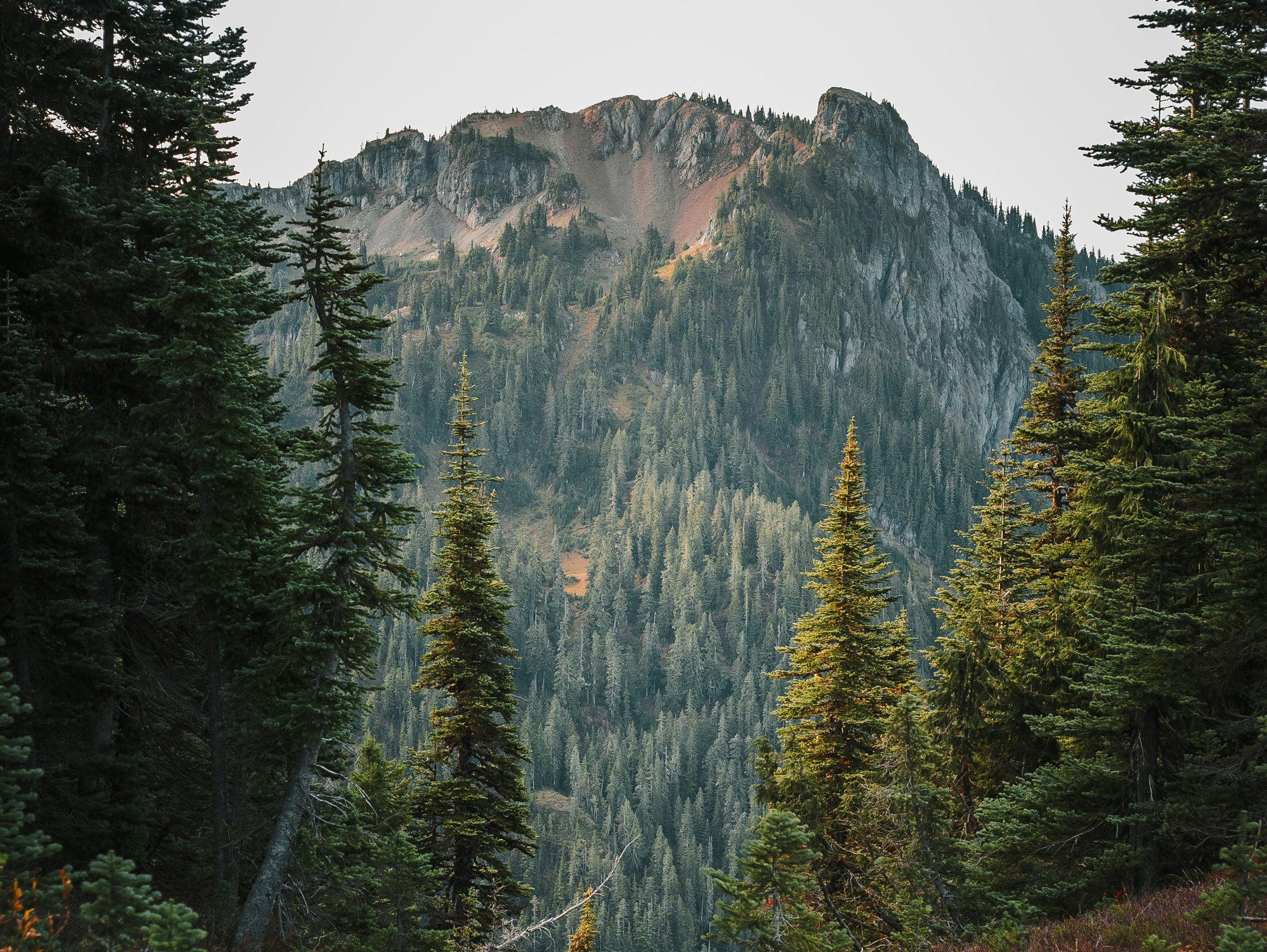
Bushpigs inhabit a variety of habitats from forests and swamps to cultivated lands and mountains, ranging up to 4,000 metres on Mount Kilimanjaro. They feed on roots, tubers, fruits, crops and insect larvae and will even follow monkeys to collect dropped fruit\. Boars and sows can be aggressive when wounded, so shot placement and immediate follow‑up are critical. There are three provisional subspecies based on regional coloration and face patterns; however, all hunts focus on mature males with well‑developed tusks. Some outfitters donate bushpig meat to local communities, turning a pest species into a source of protein.
Bushpigcan be found in the following location:
Bushpig has the following variations:
- (Varieties to be confirmed)
Start Your Adventure