






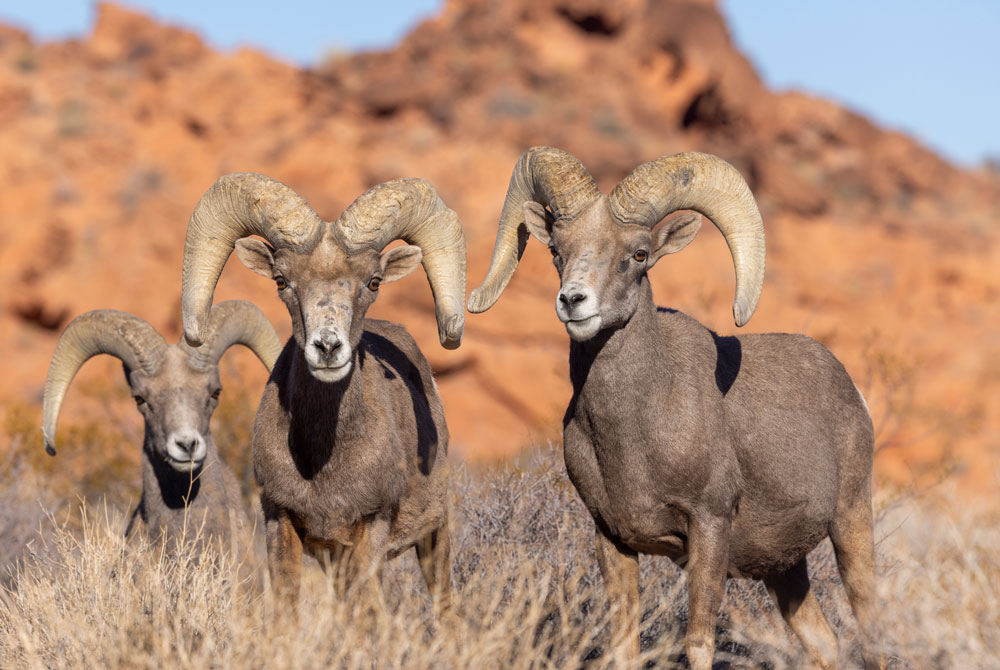
The desert bighorn sheep (Ovis canadensis nelsoni) inhabits the arid mountains of the American Southwest and northern Mexico. Rams typically weigh more than 200 pounds (91 kg) and are recognised by their massive brown horns, which curl back over the ears, down past the cheeks and up again. By seven or eight years of age a ram can carry a full‑curl horn measuring about 30 inches across and weighing nearly 30 pounds. Ewes are smaller and have shorter horns that never exceed half a curl. Adapted to steep, rocky terrain and extreme heat, these hardy sheep symbolise desert wilderness.
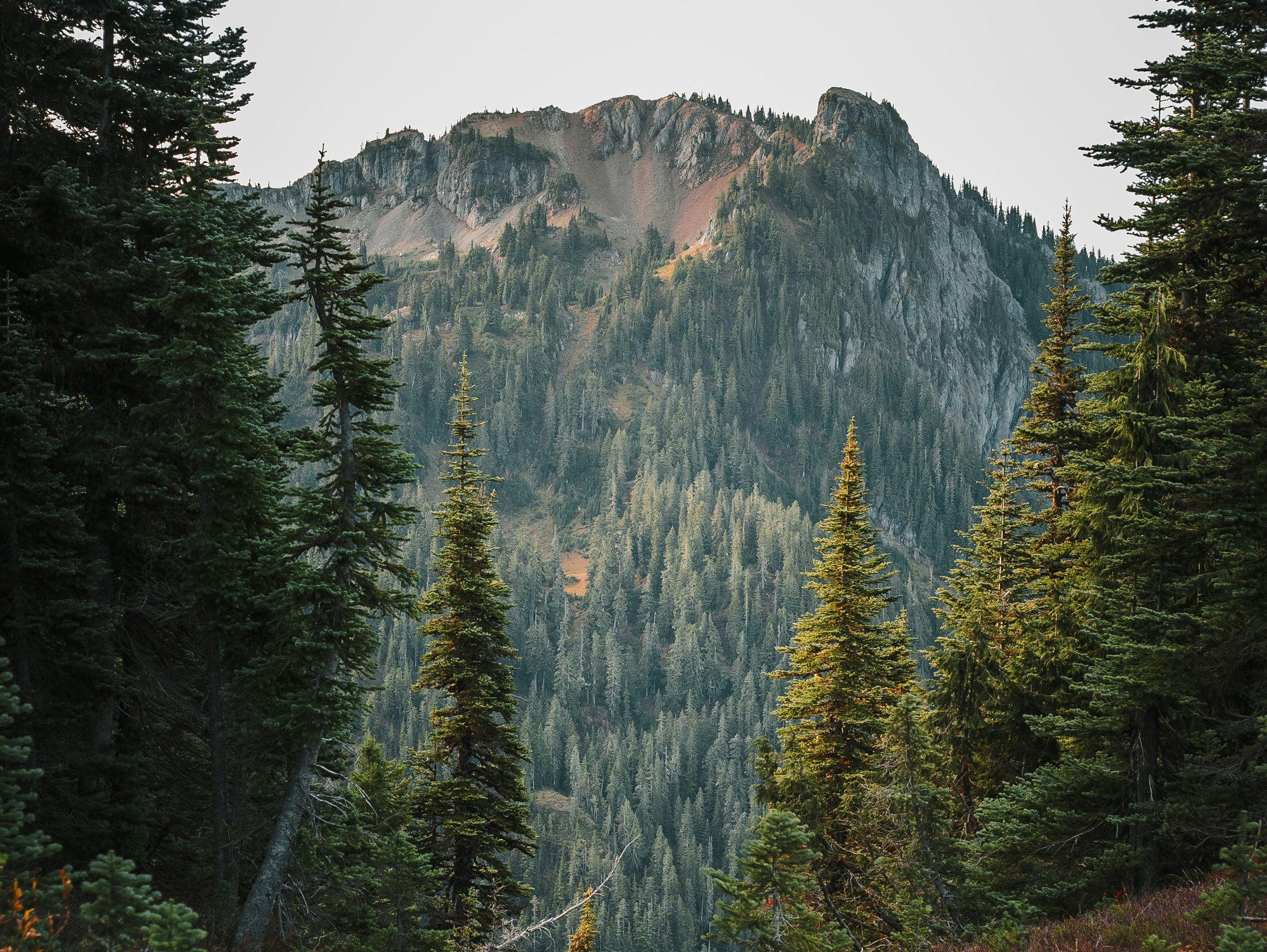
Desert bighorn hunts are among North America’s most challenging. Tags are allocated through highly competitive lotteries in western states and Mexico, and hunts are typically conducted by spot‑and‑stalk during autumn and early winter. Guides spend days glassing from high points, then approach rams on foot across rugged cliffs and canyons. Bighorns use ledges only two inches wide and can leap more than 20 feet across chasms, so hunters must be prepared for strenuous climbs and long shots over uneven terrain. Because water sources are scarce, animals often move to springs every few days, offering ambush opportunities during hot weather.
Desert bighorn populations are estimated at roughly 10 percent of their historic levels, with diseases from domestic livestock and loss of water sources posing major threats. Harvest quotas are conservative; revenues from licence sales fund research, water development and translocations to repopulate vacant ranges. In addition to disease management, wildlife agencies install guzzlers (artificial water catchments) and work with ranchers to reduce competition from feral burros and livestock. Community engagement and public reporting of sightings help monitor herds and inform adaptive management.
Desert bighorns are most active during daylight hours and rest on cool cliff faces during midday. Their cloven hooves have sharp edges and elastic pads that provide traction on sheer rock, allowing them to scramble up slopes at 15 mph. Rams and ewes form separate bands for most of the year; rutting peaks in August and September, and lambs are born between January and April. Because only about one‑third of lambs survive their first summer, predator control and disease prevention are critical to population recovery.
Desert Bighorn Sheep can be found in the following location:
Desert Bighorn Sheep has the following variations:
- (Varieties to be confirmed)
Start Your Adventure