
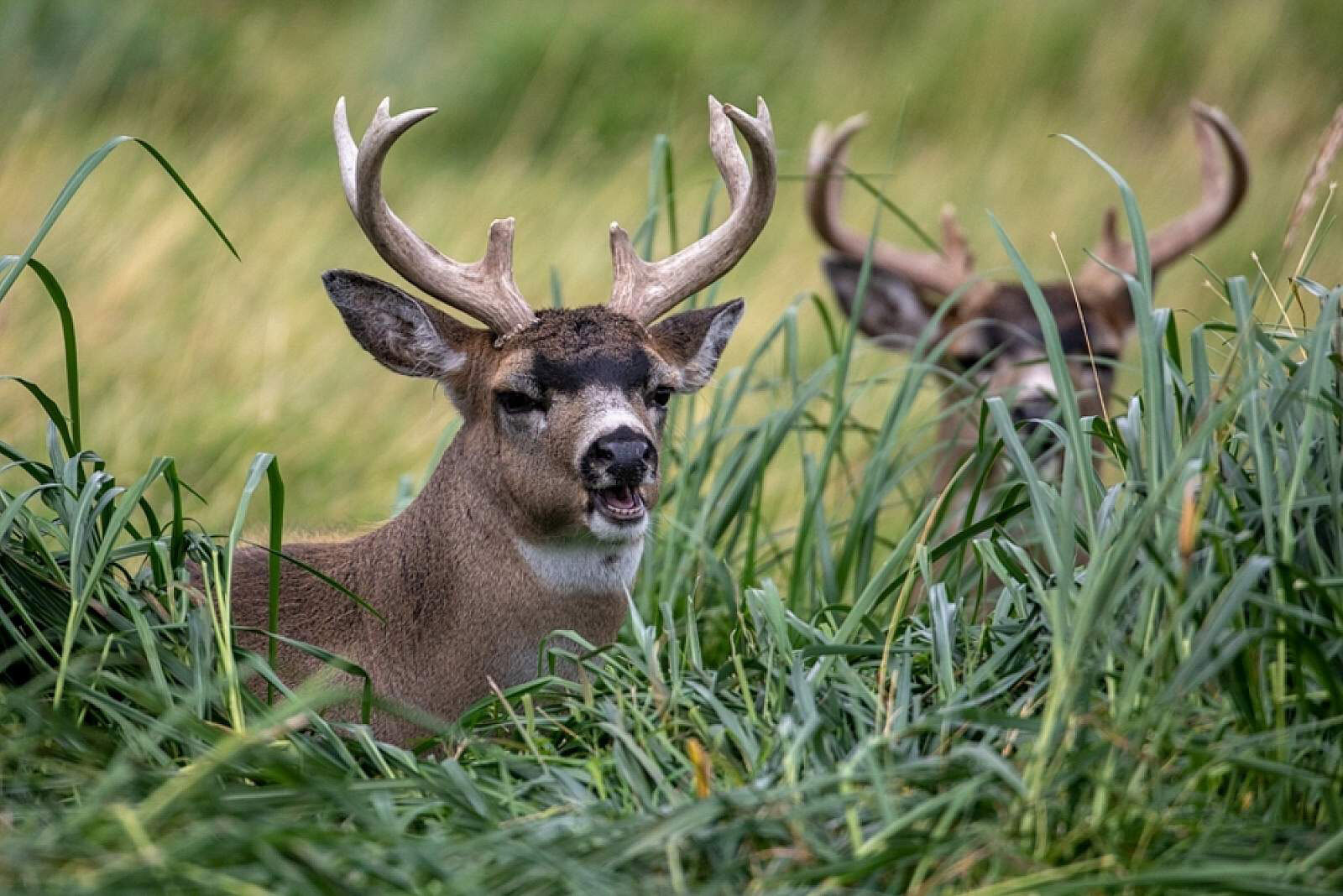



The Sitka black‑tailed deer (Odocoileus hemionus sitkensis) is a compact subspecies restricted to the wet coastal rain forests of Southeast Alaska and north‑coastal British Columbia. It is smaller and stockier than the Columbian black‑tailed deer, with bucks averaging about 120 pounds and does around 80 pounds in October. The summer coat of reddish‑brown changes to dark brownish‑gray in winter, and bucks carry dark brown antlers with three points per side. Sitka deer have expanded their range through transplants and now occur on islands such as Kodiak and Afognak.
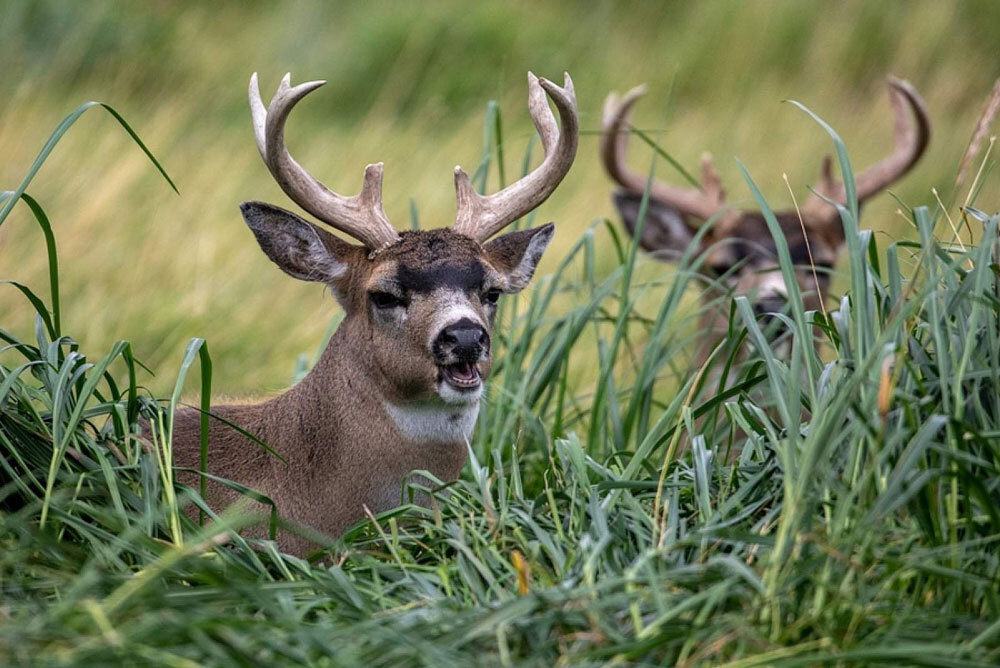
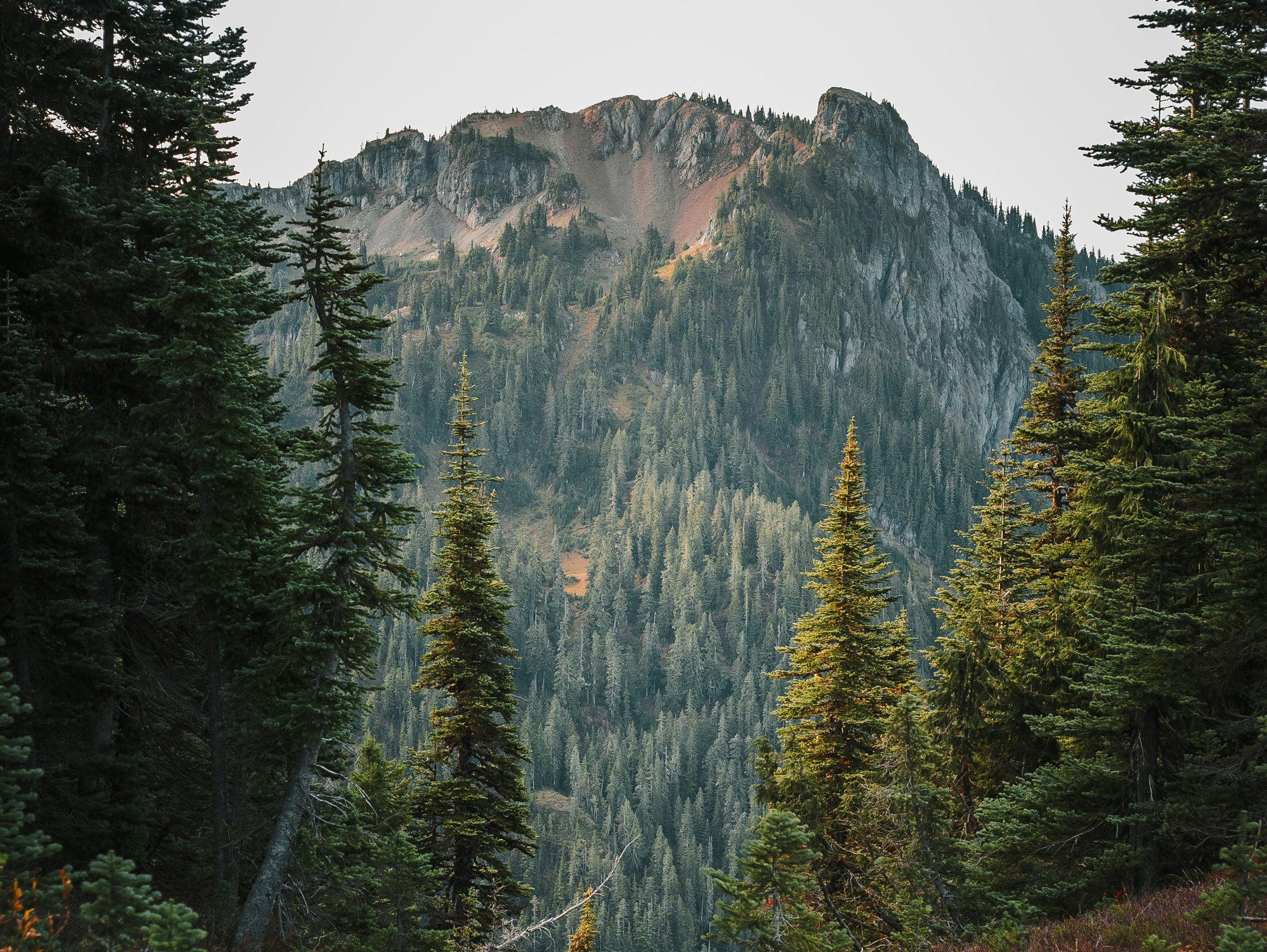
Sitka blacktail season in Alaska opens in August when orange‑tinted deer feed in high alpine meadows. Early‑season hunts involve hiking into the alpine and using spot‑and‑stalk tactics similar to sheep hunting, glassing open slopes and closing the distance quietly. Mid‑September to late October can be hit or miss as frosts push deer out of the alpine and scatter them through dense rainforest, making still‑hunting through thick cover necessary. Many hunters travel by boat or floatplane to remote islands and use backpacks to pack meat back to the coast. Non‑residents must be prepared for steep terrain, unpredictable weather and encounters with brown bears.
Sitka black‑tailed deer populations fluctuate with winter severity; mild winters allow increases while harsh winters cause declines. The Alaska Department of Fish and Game estimates about 200,000 deer in Southeast Alaska, and harvests average around 12,300 deer annually. Management includes restricting harvest to bucks during the early season and setting bag limits by game unit. Clear-cut logging reduces carrying capacity in some areas, and predators such as wolves and bears influence numbers. Regulated hunting provides meat for residents and revenue for conservation while ensuring sustainable deer densities.
Sitka deer breed in late November, and does produce fawns in early June. Deer migrate vertically; some move from subalpine summer ranges to lower rainforest wintering areas while resident deer remain at low elevations year‑round. Their diet changes seasonally, shifting from herbaceous vegetation and green shrub leaves in summer to evergreen forbs and woody browse such as blueberry, yellow cedar and hemlock during snowy winters. Good habitat can support 20–25 deer per square mile, but heavy snow may drive deer to beaches to feed on kelp and seaweed. Their ability to swim allows them to occupy most islands in Southeast Alaska.
Sitka Blacktail Deer can be found in the following location:
Sitka Blacktail Deer has the following variations:
- (Varieties to be confirmed)
Start Your Adventure