
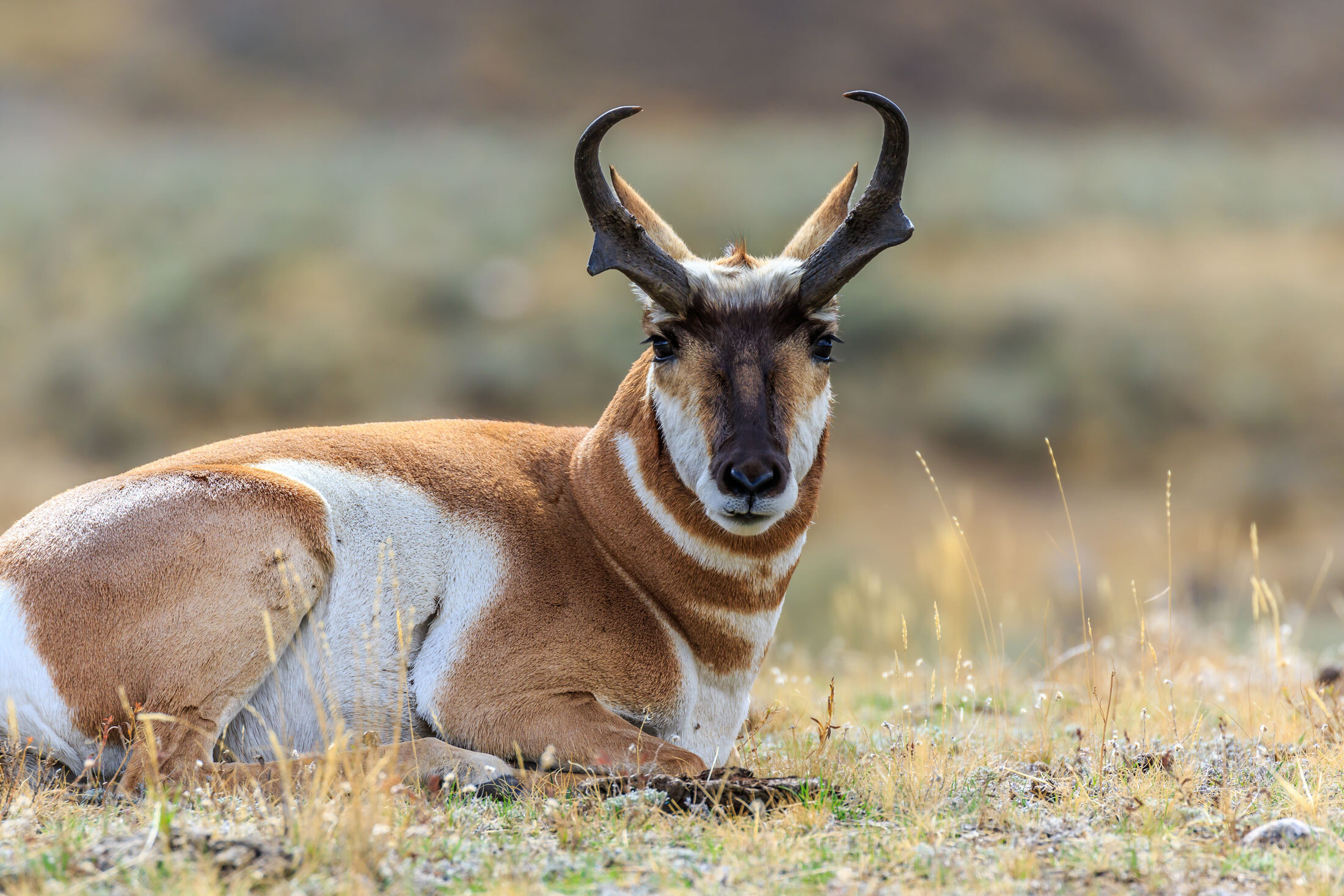




The pronghorn (Antilocapra americana) is North America’s fastest land mammal and the sole surviving member of an ancient family. Pronghorns can run nearly 60 mph and sustain half that speed for miles thanks to elongated limbs, lightweight bones and oversized lungs and heart. Both sexes carry black, keratin‑sheath horns with a forward‑projecting prong; male horns measure 10–20 inches, whereas females rarely exceed four inches. Their distinctive pronged horns and incredible speed make them a highly sought‑after plains trophy.
Pronghorn seasons typically run from late summer through October or early November depending on the state, with archery hunts beginning first and rifle seasons following. Hunters employ spot‑and‑stalk methods: they glass vast expanses of prairie from high points, then crawl and use terrain and wind to stay hidden from pronghorns’ nearly 300‑degree vision. During the rut, decoys and calls may draw curious bucks within range. Shots are often taken at 200 yards or more, and patience and careful stalking are essential on the open prairie.
Pronghorn populations once numbered around 35 million but collapsed to roughly 13,000 by 1915 due to unregulated market hunting and fencing of rangelands. Conservation measures in the early twentieth century allowed numbers to rebound to about one million today, though Mexican subspecies continue to decline. The species is listed as Least Concern overall but the Sonoran and Baja California pronghorn are endangered and managed under recovery plans. Modern pronghorn hunts are strictly regulated with permits, quotas and seasonal closures, and licence revenues support habitat restoration and research.
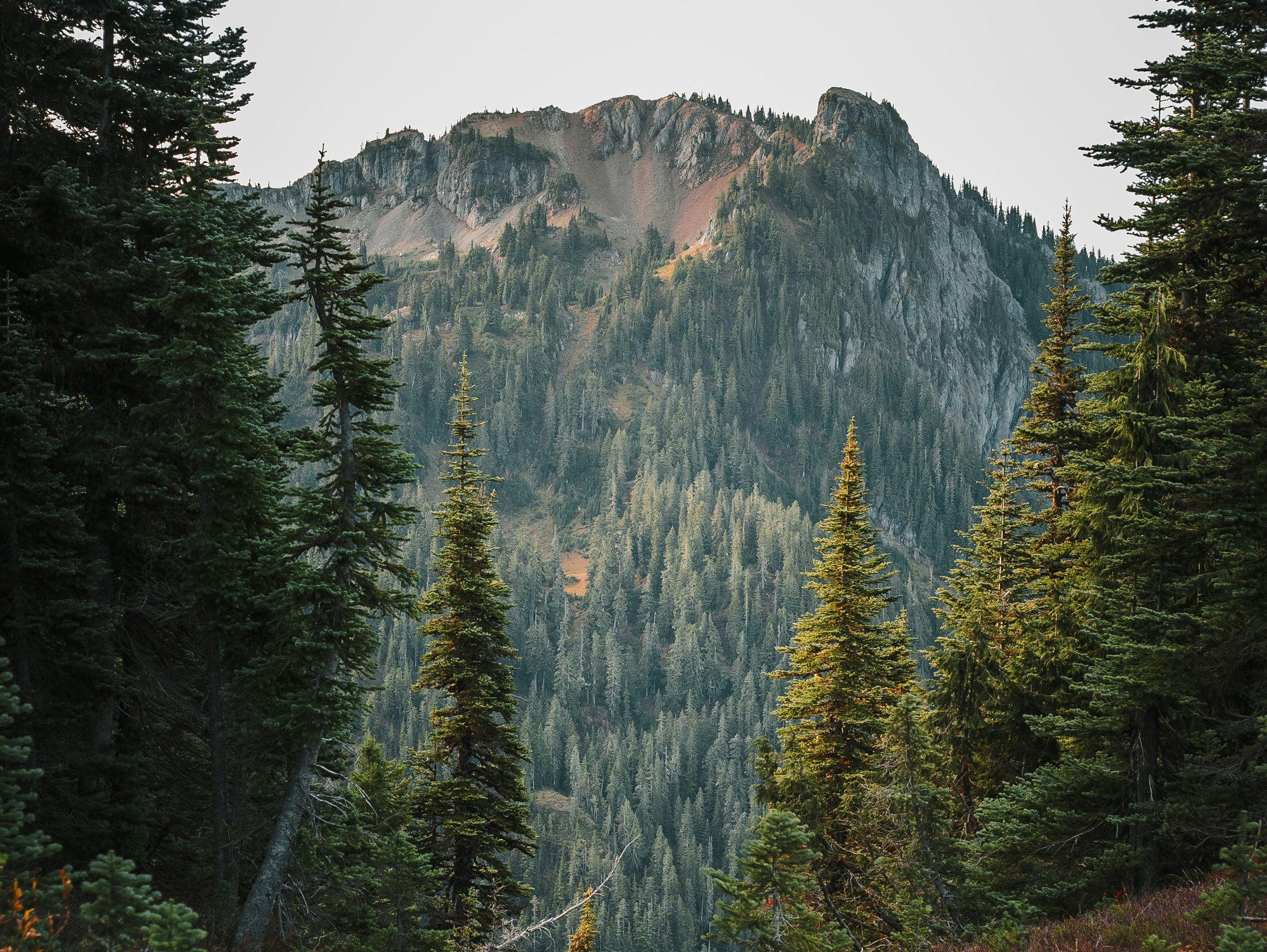
Pronghorn inhabit open grasslands, sagebrush flats and steppe environments from southern Canada to northern Mexico. They have large protruding eyes giving nearly 300‑degree vision and can detect movement miles away. Both sexes shed the outer sheath of their horns annually; the sheath grows back over a permanent bony core. Because pronghorn rely on wide‑open country and speed for survival, fences, roads and other barriers are major threats. Their remarkable recovery is often cited as a North American conservation success story.
Pronghorn can be found in the following location:
Pronghorn has the following variations:
- (Varieties to be confirmed)
Start Your Adventure