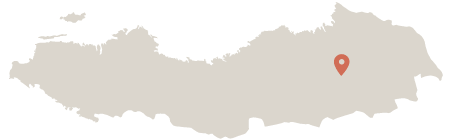

Central African Republic
The Central African Republic (CAR) offers some of Africa’s most remote and challenging hunting. The season runs from 1 January to 31 May and features two distinct zones: equatorial rainforest and savanna. Hunting laws are strict—only daylight hunting is allowed, and
Uganda
Uganda is an emerging hunting destination situated along the Albertine Rift. Its diverse habitats ranging from savanna and woodland to papyrus swamps—support strong populations of kob, buffalo and a variety of antelope. Hunting operations are centred on a few private
Zambia
Zambia’s vast and sparsely populated hunting areas provide a sense of true wilderness. The country hosts a wealth of dangerous and plains game across diverse ecosystems, from the lush Luangwa Valley to the miombo woodlands of the Kafue and the flooded swamps of Bangwe
Zimbabwe
Zimbabwe has long been a favourite African safari destination, known for its professional guides and abundant wildlife. Big‑five safaris for elephant, lion, buffalo, leopard and rhino form the cornerstone of the industry, while a broad variety of antelope species such
Peru
Peru offers a unique blend of high‑altitude big‑game hunts and coastal wingshooting. In the towering Andes, hunters pursue Andean whitetail deer and wild sheep at elevations between 8 000 and 15 000 feet. Along the Pacific coast, vast agricultural valleys and wetlan
Bolivia
Bolivia remains an under‑the‑radar destination that primarily caters to wingshooters. The country’s agricultural heartland around Santa Cruz produces staggering numbers of doves and pigeons, offering high‑volume shoots from May through October. Big‑game opport
Argentina
Argentina is widely regarded as South America’s premier hunting destination, celebrated for both its big‑game trophies and spectacular wingshooting. Red stag hunting during the March–April rut draws hunters from around the world, while exotic species such as water
Mexico
Mexico offers hunters a surprising diversity of landscapes—from arid desert mountains in the north to lush jungles in the south—and a corresponding variety of game. Well‑managed private ranches and government reserves provide structured hunting opportunities for d
United States
The United States spans nearly every imaginable landscape—from Alaskan tundra and Rocky Mountain peaks to Midwestern prairies, southern swamps and coastal wetlands. This diversity supports a wide range of game and hunting traditions, with whitetail deer being by far t
Canada
Canada’s vast wildernesses are a haven for North American big game. Yukon and British Columbia in particular offer remote mountain and boreal forest hunts where hunters may not see another human for days. Outfitters provide float‑plane or horseback access to game‑