
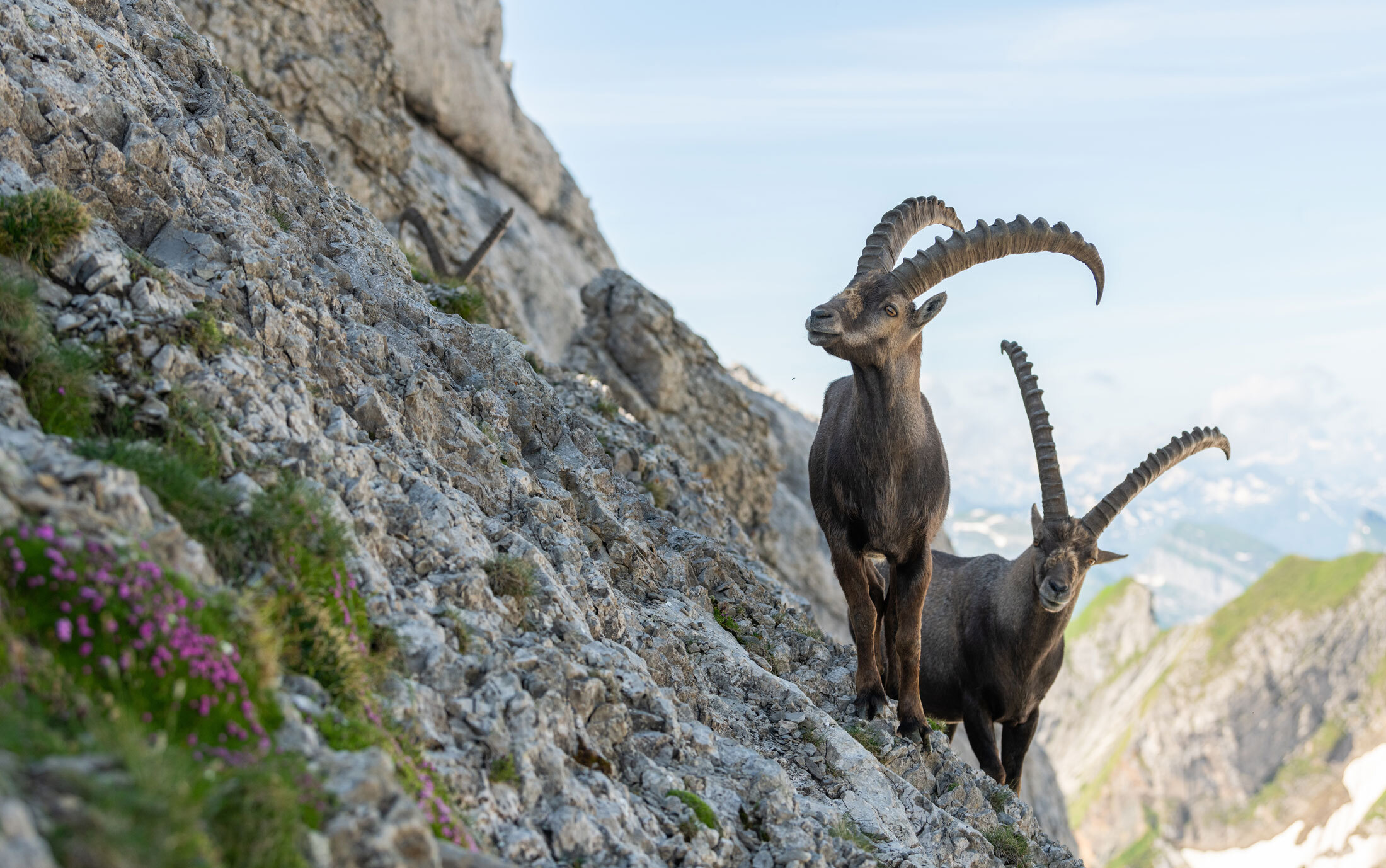




The Alpine ibex (Capra ibex) is Europe’s mountain icon. Rams can weigh 40–120 kg and stand about 70–94 cm at the shoulder, carrying sabre‑shaped horns that may exceed 100 cm, while females have much shorter horns, around 35 cm. These impressive horns, along with the species’ ability to scale sheer cliffs and survive on exposed alpine slopes, make the ibex a coveted trophy. Once nearly exterminated by intensive hunting for horns and so‑called medicinal parts, the species has bounced back; a reintroduction program begun in Italy’s Gran Paradiso eventually repopulated the Alps, and today more than 40,000 Alpine ibex roam Switzerland, Italy and Austria.
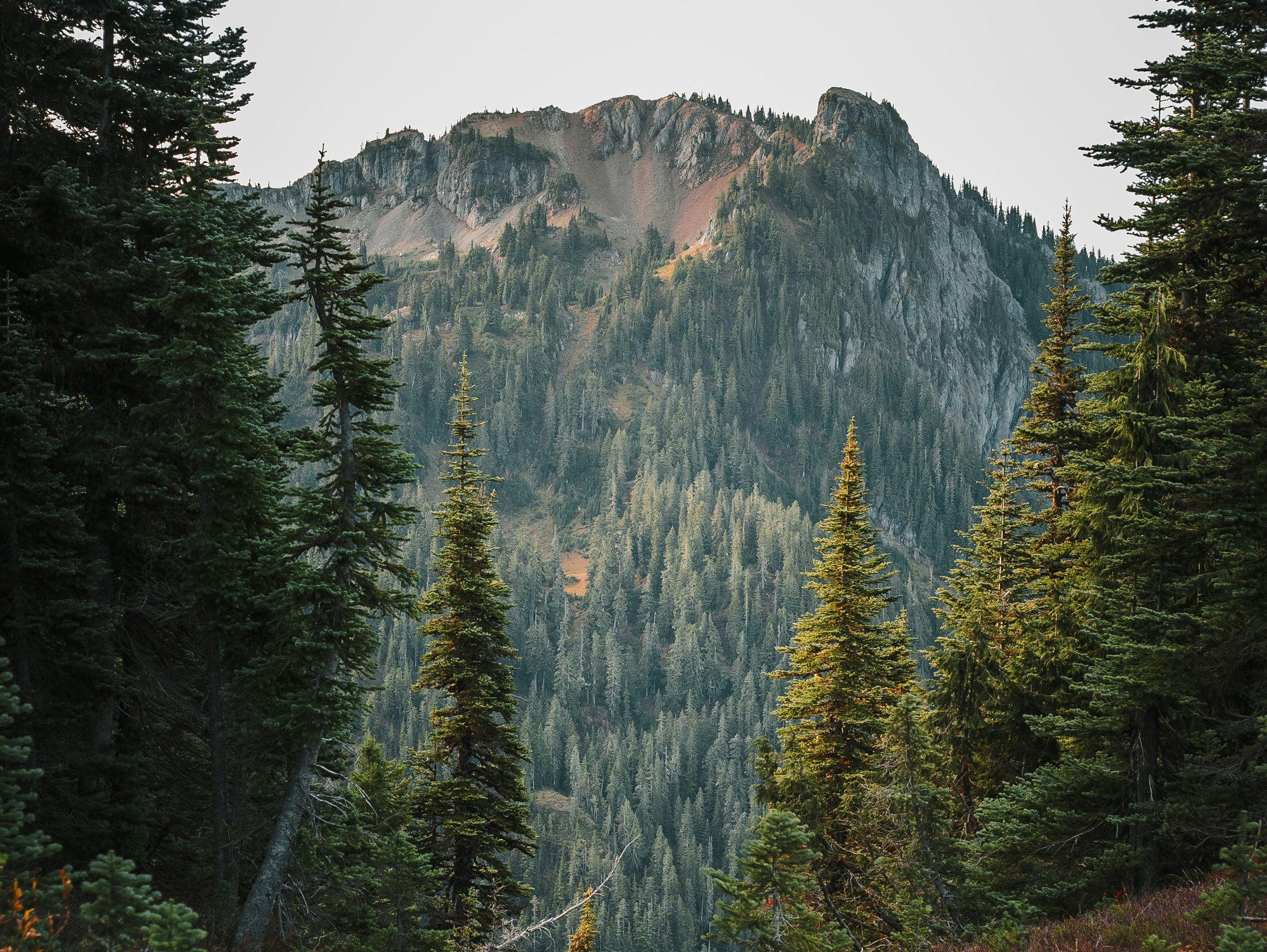
Alpine ibex hunts are classic high‑altitude stalks. In Austria’s Tyrol and similar regions, guides lead hunters across steep talus and grassy cirques between about 1,800 and 3,000 metres, glassing ridges at dawn and dusk when ibex feed and move. Because animals bed down during midday, hunters often pause for a “siesta” before continuing later in the day. The main season runs from August through December and requires physical fitness and sure‑footedness; shots are often taken from improvised rests at awkward angles. Some outfitters use horses or cable cars to access remote basins, but most of the hunt is on foot.
Centuries of unregulated hunting drove Alpine ibex numbers to near‑zero; the species became almost extinct by the 17th century when its horns and bones were believed to have magical properties. Protection in Gran Paradiso and subsequent reintroductions allowed populations to recover; the species is now classed as “Least Concern,” though local herds remain sensitive to tourism and habitat disturbance. Modern trophy hunts are strictly limited by permits and help fund monitoring and habitat management, ensuring that harvests target mature males while supporting conservation and alpine communities.
Ibex are diurnal and most active during the cool hours of early morning and late afternoon. They migrate vertically, following receding snowlines to high summer pastures and descending to south‑facing slopes in winter. During the rut in late autumn, bachelor males join female herds and engage in horn‑clashing contests to establish dominance. Thanks to specialised split hooves and powerful muscles, they can jump up to 1.8 m in a single leap and traverse near‑vertical rock faces.
Alpine Ibex can be found in the following location:
Alpine Ibex has the following variations:
- (Varieties to be confirmed)
Start Your Adventure