
(New Zealand)





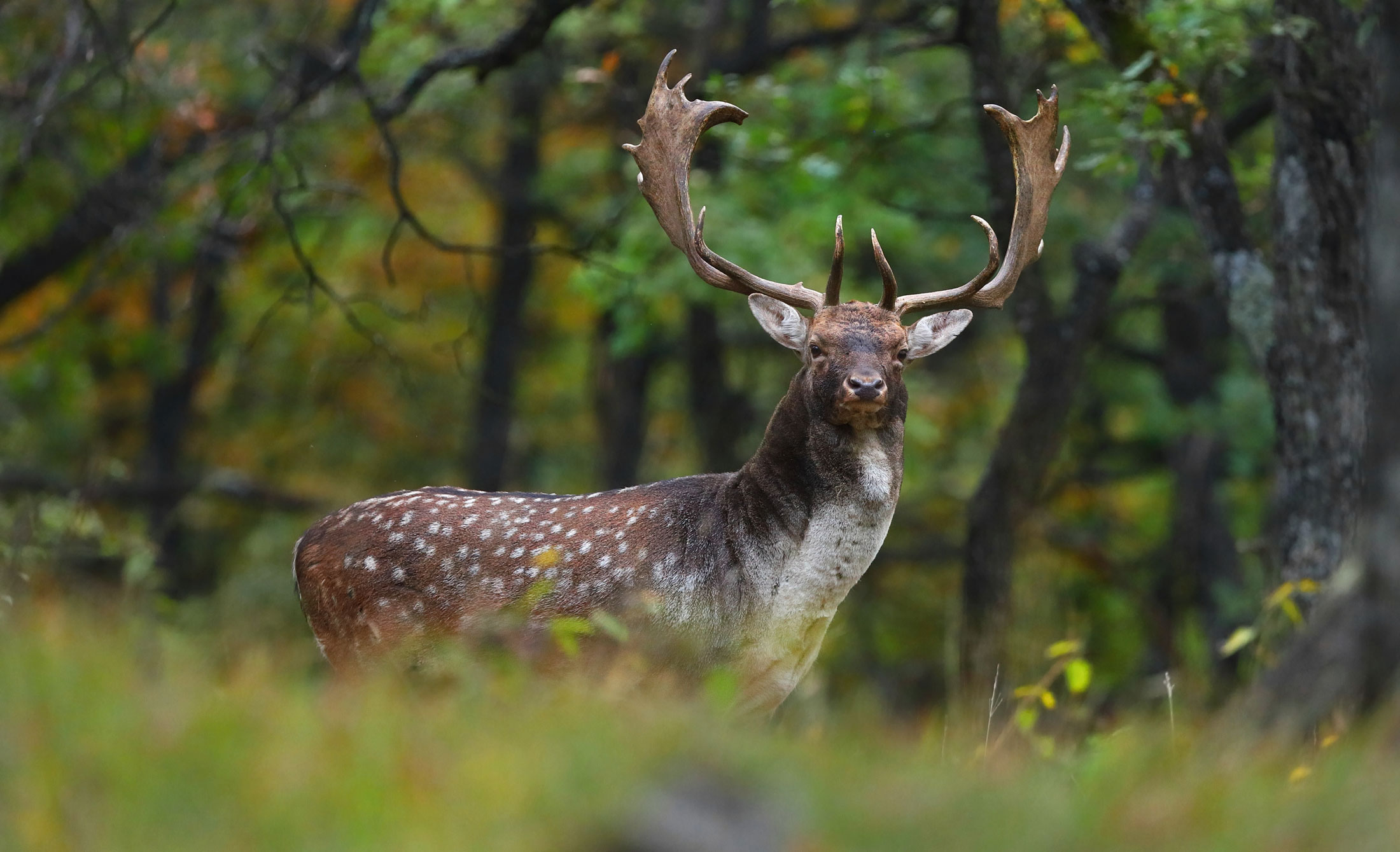
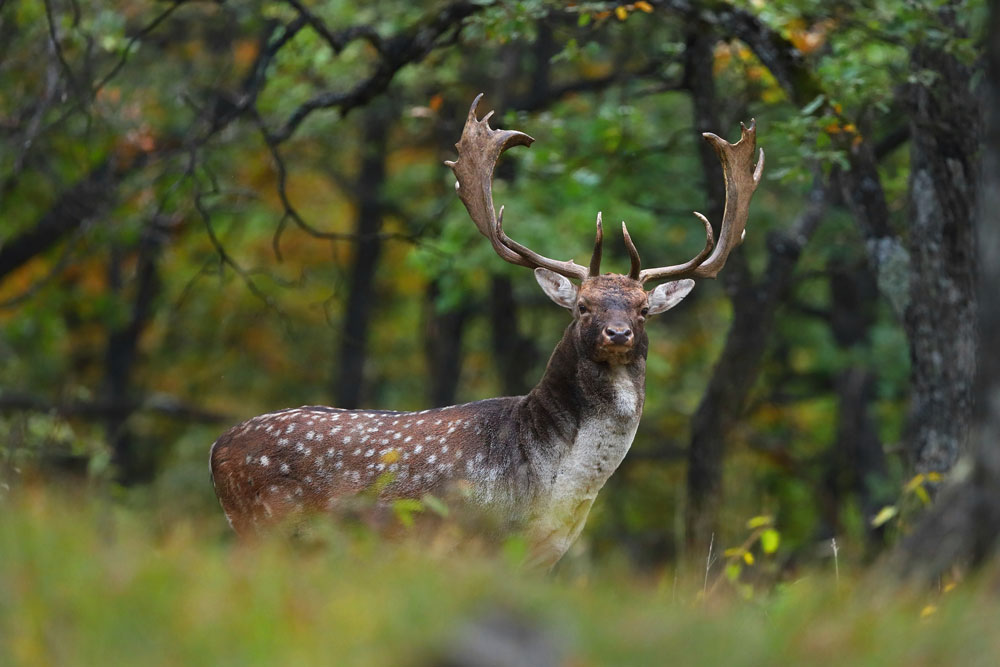
Fallow deer were one of the earliest deer species successfully introduced to New Zealand, arriving in the 1860s and now occupying lowland forests, river flats and farmland in both islands. Bucks weigh around 60–85 kg and display distinctive palmated antlers, while does are smaller. The species is renowned for its colour variety; four coat phases—melanistic, common, menil and leucistic—range from dark brown to white. Fallow deer are gregarious and form herds, but hunting pressure makes them wary and they often segregate by sex outside the rut.
Fallow deer hunting is generally a year‑round activity in New Zealand because there are no nationwide closed seasons. Most hunts occur on foot using spot‑and‑stalk techniques; hunters glass feeding areas at dawn and dusk in summer, when deer feed briefly then rest in thick cover. In winter, fallow feed for longer periods during the day, allowing more opportunities to stalk them. The rut from April to mid‑May is the prime trophy period; bucks occupy territories and vocalise with groans, and hunters often call or stalk into the wind to approach them. Suitable rifle calibres (.243 and above) and the use of natural cover are recommended because fallow deer possess keen eyesight and a strong sense of smell.
Like all deer in New Zealand, fallow are introduced and have no natural predators; uncontrolled populations can damage native forests by browsing on seedlings and subalpine plants. The Department of Conservation manages wild deer numbers through free hunting permits, balloted block systems in popular areas and culling operations to protect sensitive ecosystems. Some herds, such as Woodhill Forest near Auckland or the Blue Mountains Recreational Hunting Area, are designated Herds of Special Interest where hunting is regulated by ballots or seasonal closures. Hunters are encouraged to harvest deer to help keep numbers down, while checking for temporary closures during periods of high fire danger or research.
Fallow bucks cast their antlers in October–November and new antlers are fully developed by February. During the rut bucks may engage in fierce fights that can break antler points, so early‑rut hunting can yield better antlers. Fallow deer are vocal animals; they bark when alarmed and bucks groan continuously during the rut. Colour phases range from dark melanistic animals through spotted “common” and pale menil types to nearly white leucistic deer, offering hunters diverse trophies.
European Fallow Deer can be found in the following location:
European Fallow Deer has the following variations:
- Melanistic
- Common
- Menil, Leucistic (colour phases)
Start Your Adventure