
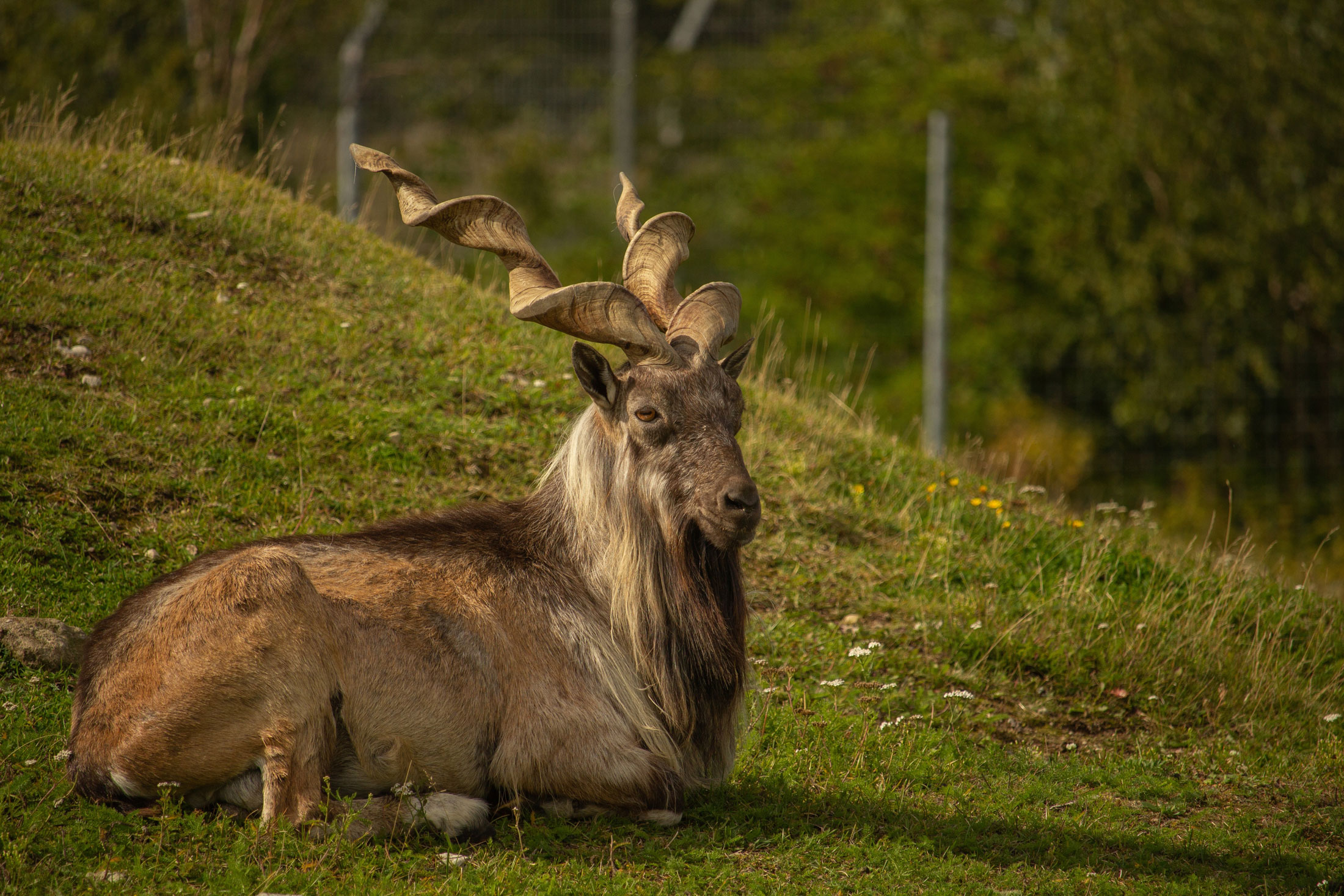



The markhor (Capra falconeri) is one of the world’s most spectacular wild goats, noted for its long shaggy coat and enormous corkscrew horns. Males weigh 80–110 kg and carry horns that can spiral up to 160 cm, while females are smaller with slender horns reaching about 24 cm. Coat colour ranges from light tan to dark brown with a darker dorsal stripe, and both sexes sport beards, with bucks displaying luxuriant facial hair. Markhor inhabit rugged cliffs and scrub forests from 600 to 3,600 m elevation in Pakistan, Tajikistan and Afghanistan and are revered as Pakistan’s national animal.
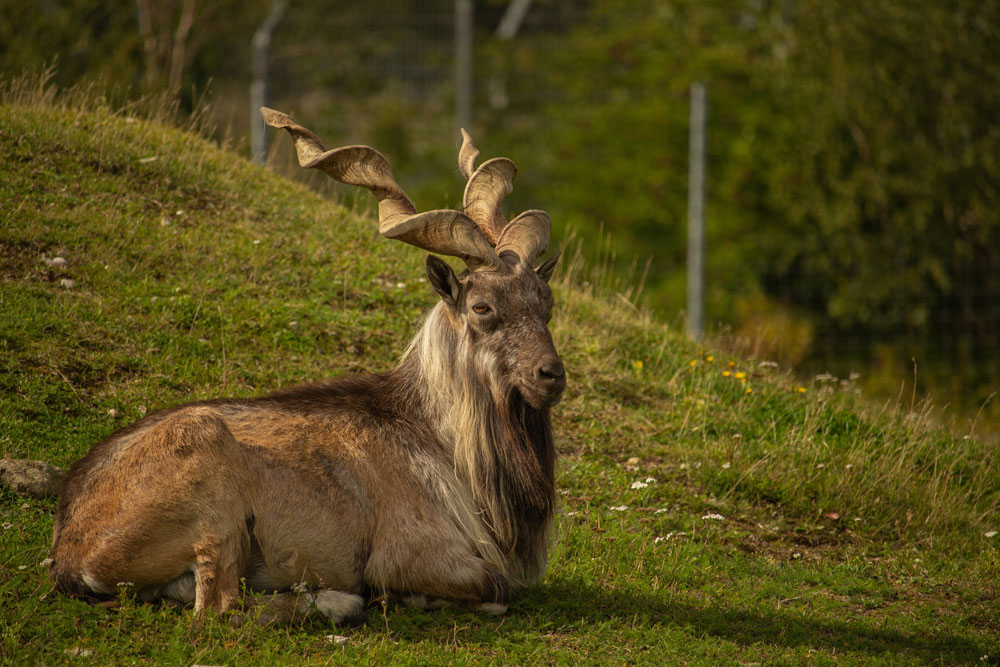
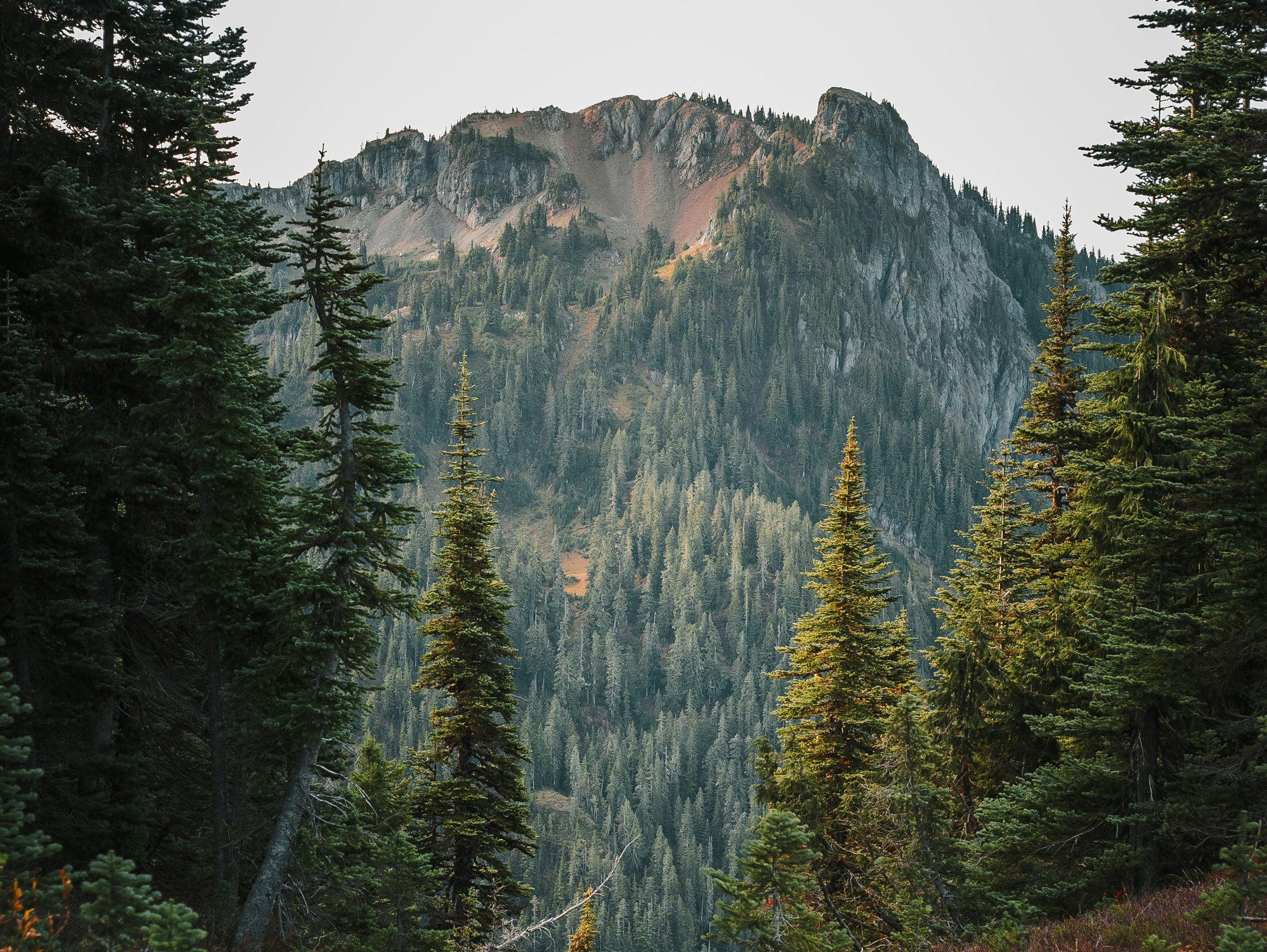
Markhor hunting is an arduous endeavour conducted at elevations between 2,500 and 3,500 m (8,000–12,000 ft). The main season runs from October through early December when rutting males are most active, though some hunts occur in February as animals descend with late winter snow. Guides ride horses or hike to high ridges, spend hours glassing slopes for a mature billie and then make long, careful stalks often requiring shots at steep angles. Because markhor are extremely wary and inhabit precipitous terrain, hunters must be fit and proficient with long‑range rifles. All markhor hunts are conducted under CITES permits, and around 80 percent of the trophy fee goes directly to local communities and conservation programmes.
Markhor numbers declined precipitously due to overhunting and competition with livestock, but have rebounded in Pakistan and Tajikistan thanks to community‑based conservation. Under programmes like the Torghar Conservancy, former poachers are employed as game guards and local villages receive 80 percent of hunting revenues, funding schools and clinics. These successes led the IUCN to reclassify the markhor from Endangered to Near Threatened. Nevertheless, the five recognised subspecies—Astor, Bukharan, Kashmir, Kabul and Suleiman—remain globally threatened and are listed on CITES Appendix I; hunting quotas are extremely limited and based on scientific surveys. Sustainable trophy hunting provides incentives for communities to protect habitat and reduce livestock pressure, ensuring the species’ long‑term survival.
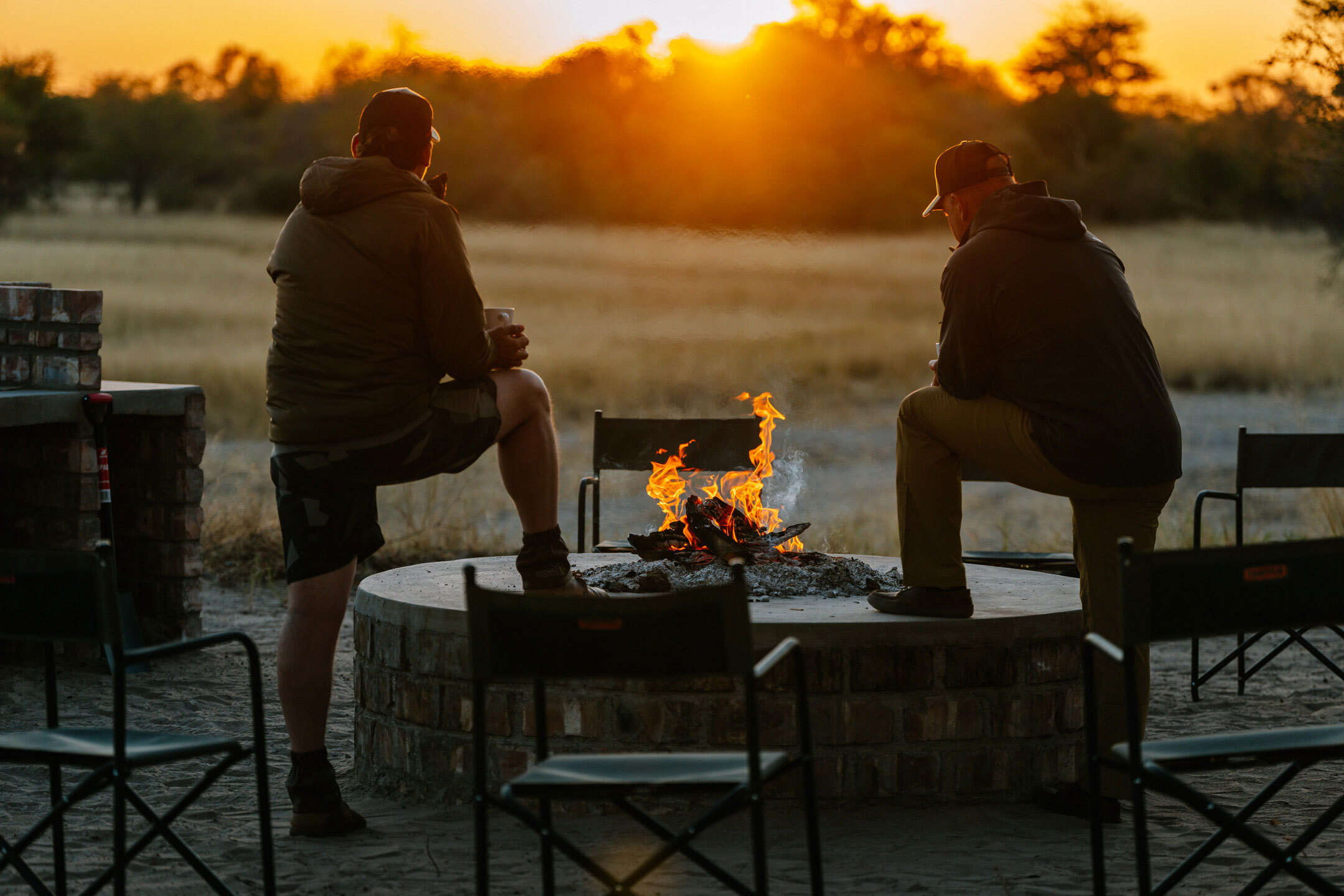
The word “markhor” means “snake eater” in Persian, reflecting a myth that these goats kill and eat snakes. During the rut, dominant males emit a strong musky odour and engage in spectacular horn‑clashing contests. Markhor have a gestation period of about 135–170 days and typically bear one or two kids that can stand and follow their mother within a few hours. Their spiral horns have inspired local folklore and appear in tribal dances and provincial emblems. Because markhor live in remote mountains, hunters often spend days riding and camping in wild terrain before sighting a mature ram.
Markhor can be found in the following location:
Markhor has the following variations:
- Astor Markhor
- Bukharan Markhor
- Kashmir Markhor
- Kabul Markhor
- Suliman Markhor
Start Your Adventure