

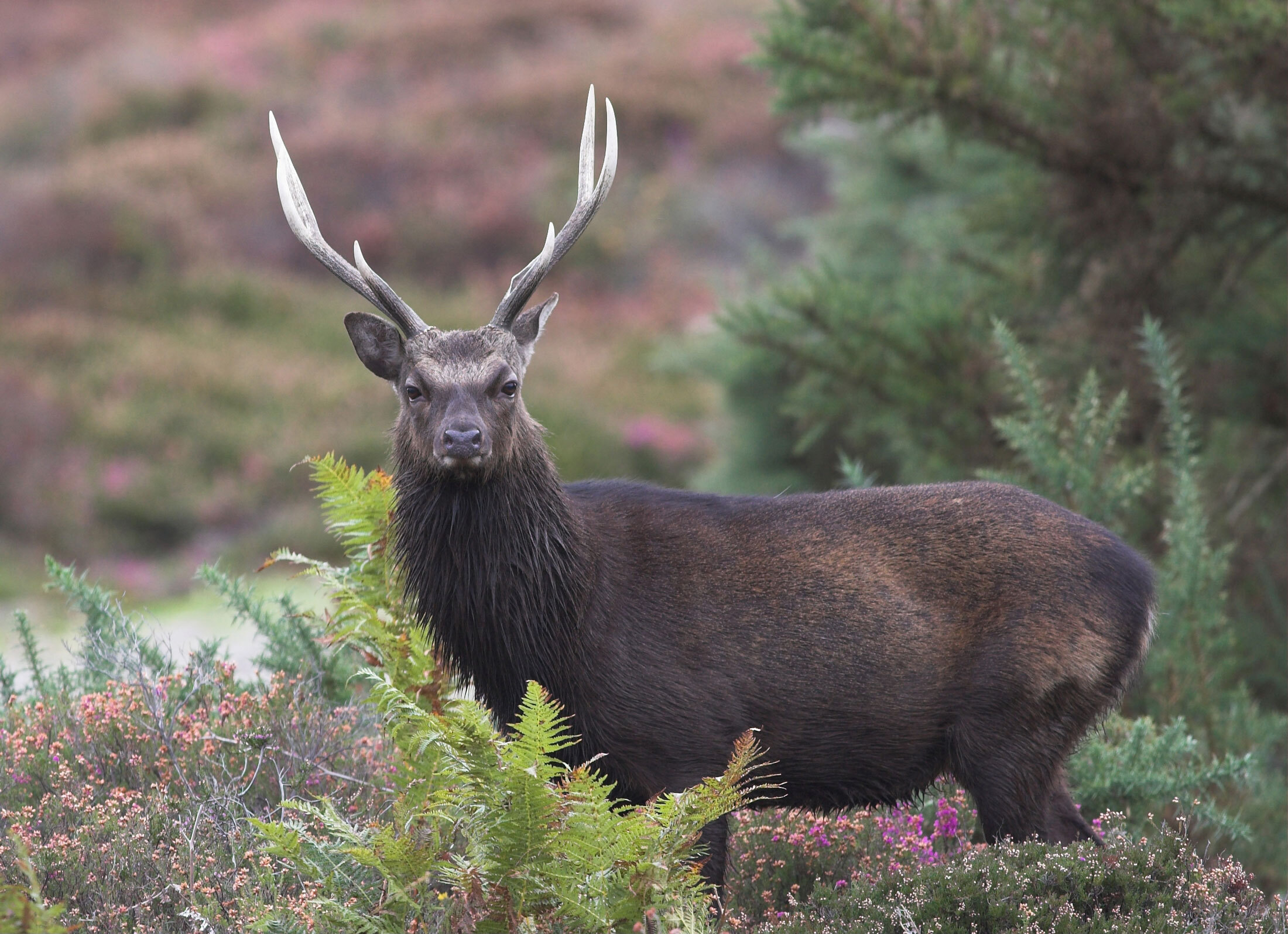




Sika deer (Cervus nippon) are native to Asia but were released into New Zealand’s central North Island in the early 20th century. Today they are confined mainly to Kaimanawa Forest Park and the Kaweka Forest. Adult stags weigh about 75–85 kg and have antlers with thinner beams than red deer. Their summer coats are chestnut with white spots and a distinctive black dorsal stripe, while a white rump patch flares when alarmed. These deer are known for their shrill whistles and high‑pitched “hee‑haw” rut calls and are considered challenging, elusive game.
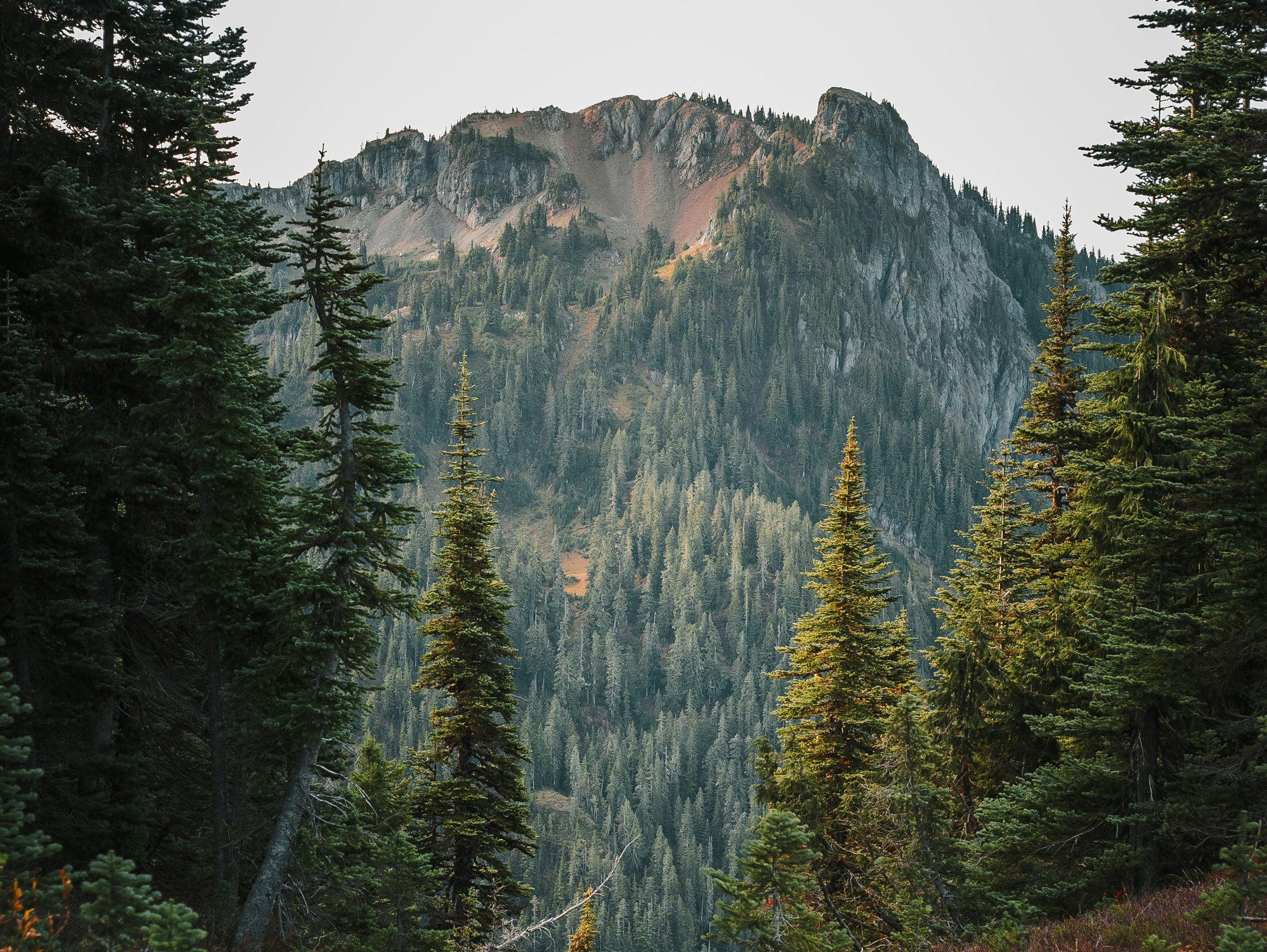
Sika can be hunted year‑round in New Zealand, but the rut from late March to early May is the peak period when stags are vocal and less cautious. Spring is another favoured time because deer graze openly on new grass growth; hunters focus on river flats and grassy clearings. In winter sika retreat to sunny mid‑valley slopes and creek heads, requiring slow stalking through forested gullies with frequent stops to spot deer feeding or lying down. Hunters typically carry rifles .243 calibre or larger and move quietly into the wind; the last two hours of daylight can be productive as deer are pre‑occupied with feeding.
Sika deer have no natural predators in New Zealand and are considered an invasive game animal; their populations can expand rapidly and hybridise with red deer, threatening native vegetation and altering forest structure. The Department of Conservation encourages hunting to manage numbers and issues free permits for public land; some areas operate block systems or temporary closures for research and fire safety. Partnerships with organisations such as the Sika Foundation and Jobs for Nature programmes aim to monitor and control sika in remote areas, while hunters play a key role in maintaining herd densities and preventing further spread.
Sika hinds often whistle repeatedly when disturbed, while stags emit donkey‑like roars during the rut. Unlike many deer, sika may lie flat on the ground to avoid detection, and they sometimes call from behind trees to misdirect hunters. Their antlers are cast in November–December and fully hardened by March. Because the Kaimanawa and Kaweka herds occupy mountainous country with dense beech forest and scrub, hunting them requires patience, careful glassing and an understanding of their seasonal movements.
Sika Deer can be found in the following location:
Sika Deer has the following variations:
- (Varieties to be confirmed)
Start Your Adventure