




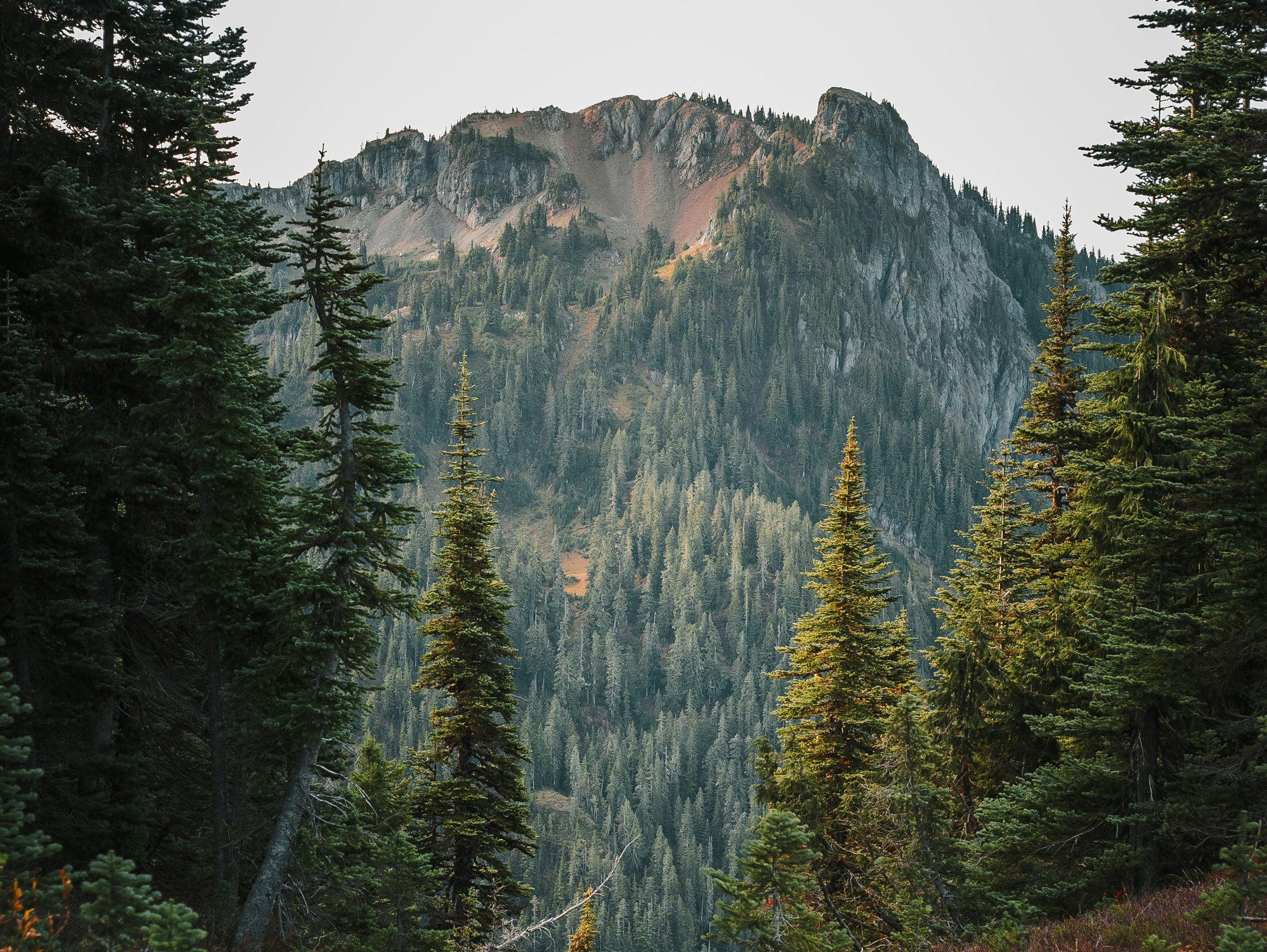
Snow sheep (Ovis nivicola) are Russia’s wild mountain sheep, sometimes called Siberian bighorns. They inhabit remote ranges across northeastern Siberia, including the Verkhoyansk, Chersky, Putorana and Kamchatka mountains. Adult rams carry deep, amber‑coloured horns and weigh 90–120 kilograms. The species is divided into regional forms—Yakutia, Okhotsk, Koryak and Putorana snow sheep—each occupying a different mountain range. Hunters prize them for their rugged wilderness setting and the diversity of subspecies.
Snow sheep hunts are classic high‑country adventures. In Yakutia, the season runs from 1 August to 30 November, with most hunts in late August or early September to avoid winter blizzards and before rams enter the December rut. Spot‑and‑stalk is the prevailing method: hunters backpack into alpine basins, glass ridges for hours and then make long, careful approaches. Subspecies hunts differ slightly—Yakutia hunts involve long hikes over tundra for 10–13 days; Okhotsk hunts in Khabarovsk use helicopters to reach 1 000‑meter camps and last about 11 days; and Koryak hunts on the Kamchatka Peninsula follow similar patterns with 10–13‑day itineraries. Good physical condition and comfortable boots are essential.
The IUCN lists snow sheep as “Least Concern,” but populations declined from roughly 87 000–96 000 in the 1980s to about 59 770–67 600 by 2014. Illegal hunting is currently low, yet some subspecies (e.g., Yakut and Kamchatka) continue to decline while others (Putorana) are stable or increasing. Russia allows limited trophy hunting under special permits; sustainable hunting is viewed as a way to provide income and reduce pressure from subsistence hunters. The conservation plan calls for expanded protected areas, regular population monitoring and improved management of hunting concessions to ensure that revenues support conservation.
Snow sheep are closely related to North American bighorn sheep and share similar behaviours: they feed on alpine grasses and lichens, bed on windswept ridges, and descend to lower elevations in winter. Indigenous hunters traditionally used hounds to drive sheep over cliffs, but modern outfitters rely on fair‑chase stalking. Many hunters combine snow sheep with salmon fishing or tours of Yakut villages, making these expeditions cultural as well as sporting experiences.
Snow Sheep can be found in the following location:
- Russia
Snow Sheep has the following variations:
- Yakutia Snow Sheep
- Okhotsk Snow Sheep
- Koryak Snow Sheep
- Putorana Snow Sheep
Start Your Adventure