
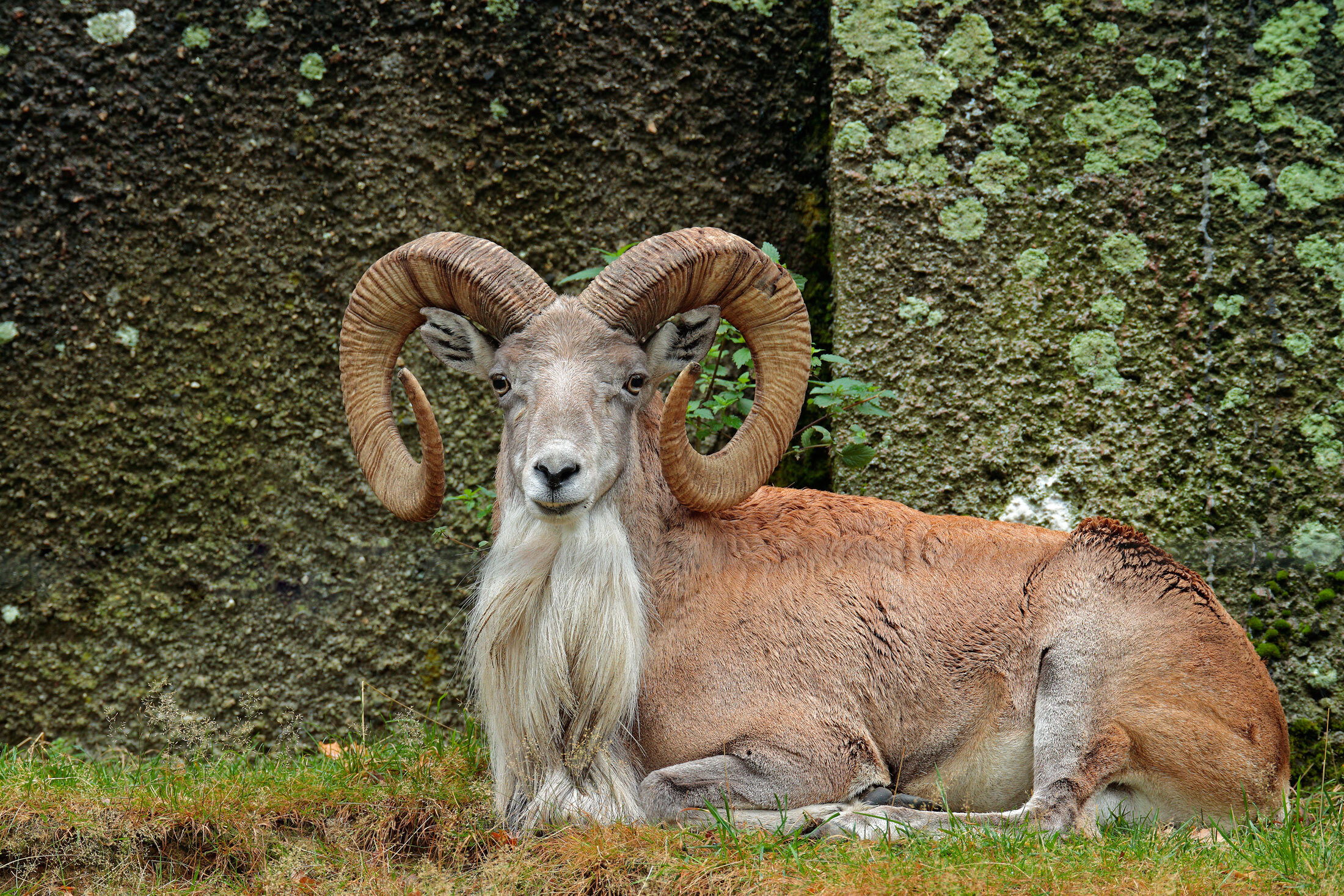




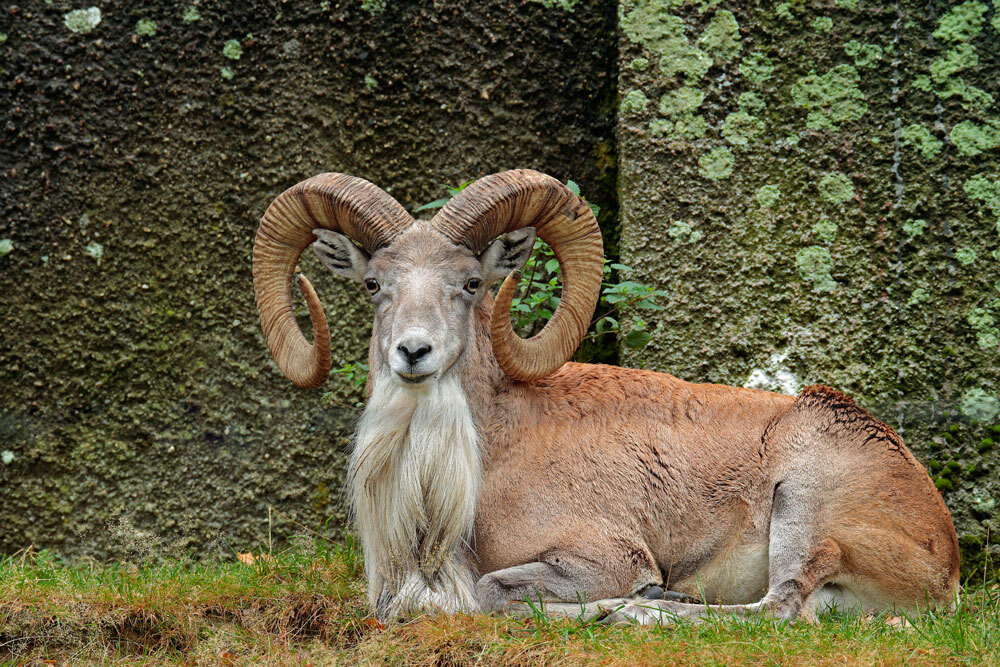
Urials (Ovis vignei) are medium‑sized wild sheep that live below the timberline in the arid mountains of Pakistan and Iran. Rams stand up to 90 cm at the shoulder and carry impressive horns that may curl a metre from tip to tip. The reddish‑brown coat, white bib and contrasting saddle patch distinguish them from their close relatives, the mouflon. Because urials inhabit rolling foothills rather than extreme peaks, they are often regarded as one of Asia’s most accessible mountain trophies.
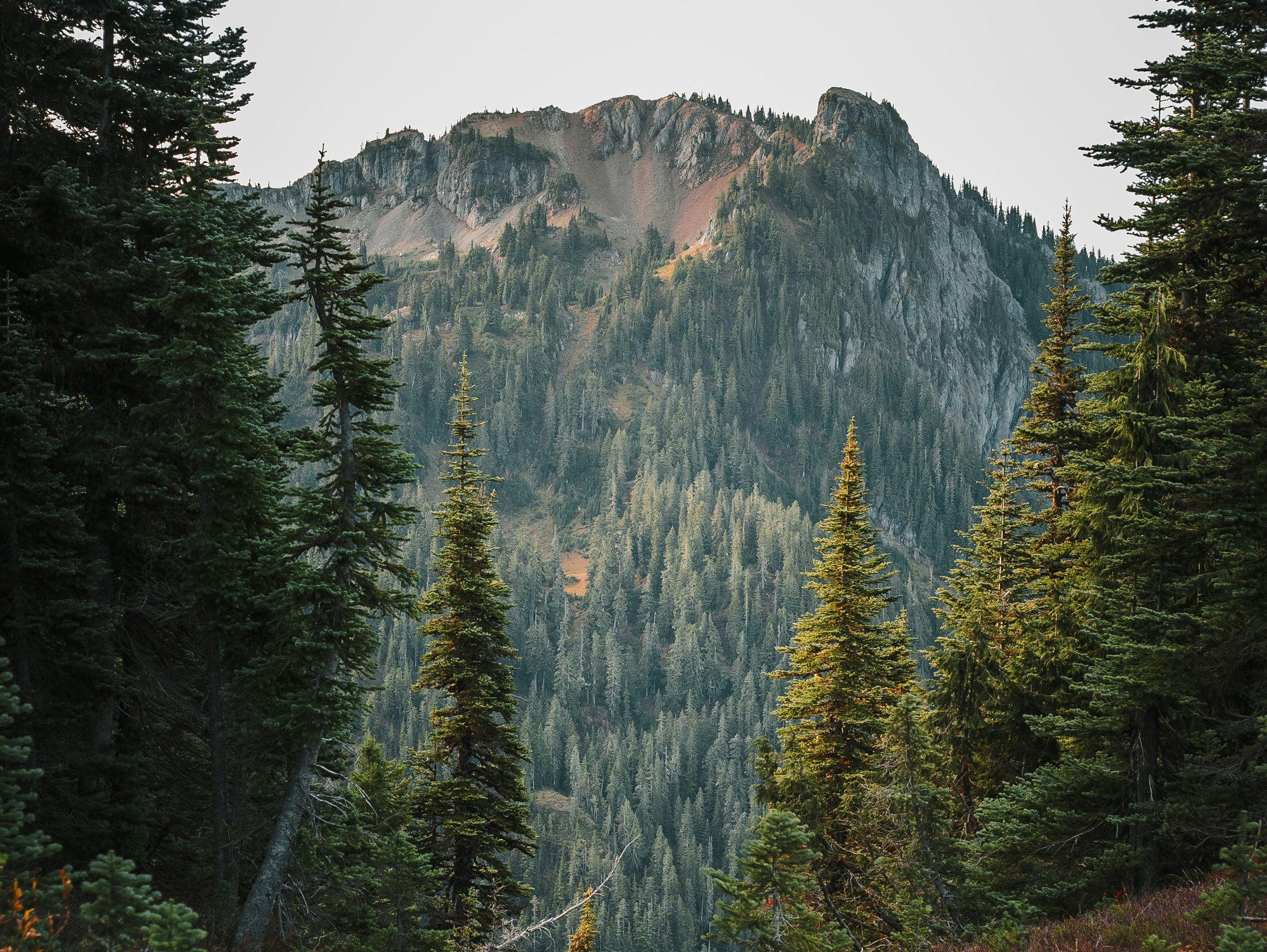
Urial hunts are conducted on steep, rocky hillsides where rams feed and rest just below the timberline. Guides glass from ridges at dawn to locate mature rams, then plan careful stalks through sparsely wooded slopes, taking advantage of boulders and gullies for cover. Hunting is most productive during the rut in late autumn and early winter when rams compete for ewes and are less wary; many outfitters therefore schedule hunts between November and February. Because urials live at lower elevations, hunters often walk rather than ride to the animals, though the slopes are still demanding.
Urials are listed as Vulnerable due to habitat loss and competition with livestock, but their numbers are increasing in regions where trophy hunting is strictly regulated. Pakistan issues limited permits and communities share in the revenues, creating strong incentives to protect herds and their habitats. Five primary subspecies—Afghan, Transcaspian, Blanford, Punjab and Ladakh—are recognised. Hybrids between urials and mouflons (often called red sheep) exist where ranges overlap, underscoring the need for careful management of pure populations.
Urials form small bachelor bands outside the rut, while ewes and lambs gather in nursery groups. During the breeding season, rams clash horns and chase rivals until dominance is established. Their horns differ by subspecies: Blanford and Punjab urials have wide, outward‑flaring horns like cup handles, whereas Afghan and Transcaspian rams carry horns that curl forward more like those of a bighorn. Because they inhabit hills close to human settlements, urials are vulnerable to poaching; participation of local communities in hunting concessions has been vital to their recovery.
Urial Sheep can be found in the following location:
Urial Sheep has the following variations:
- Transcaspian Urial
- Afghan Urial
- Blanford Urial
- Punjab Urial
Start Your Adventure